Links are not yet activated.
Is this your press release? Add a link to submitpr.org on your website and verify it — activation is instant and free.
Or upgrade with KIN for permanent activation (from $19.95).
Threats to peace do not always arrive as major conflicts. On campuses, in digital spaces, and in the workplace, they often appear in quieter forms. Riza Mahardika, S.Sos., M.Med.Kom., a practitioner lecturer and digital marketing professional, highlights three challenges she believes must be prioritized. She set out these views in her application to the I TEACH PEACE Champions Fellowship.## 1. Polarization and Toxic Workplaces
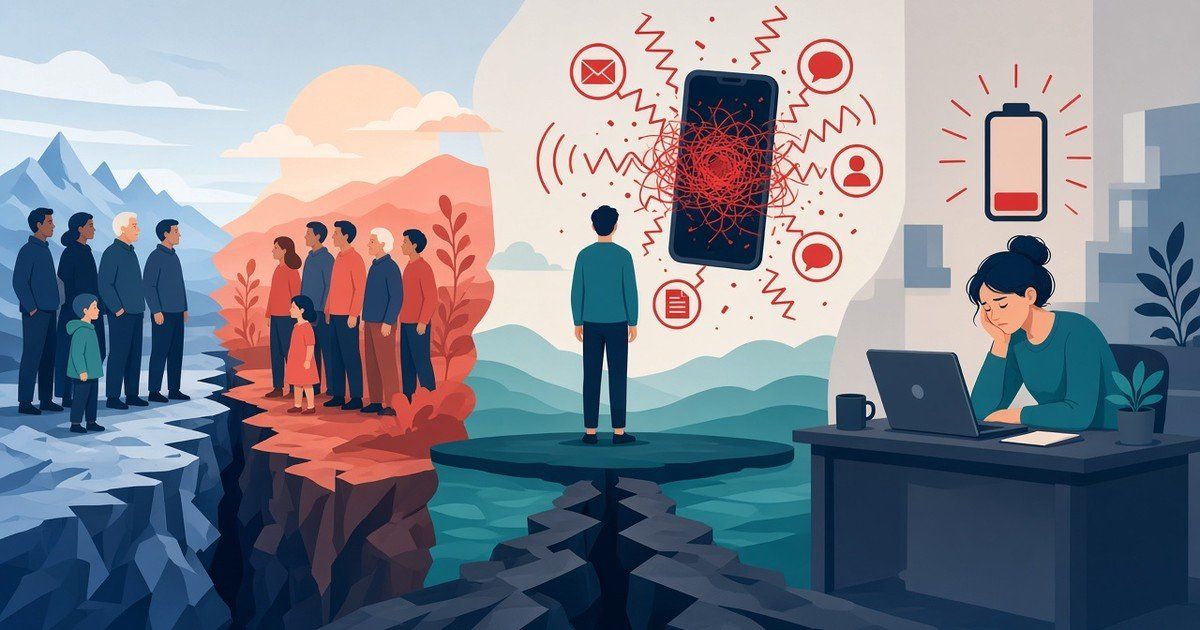
The first challenge is polarization and communication patterns that tend to provoke conflict, often described as a toxic work environment. Riza observes that many students and young professionals are easily carried away by emotion when discussing social and political issues.
"Without self-control and without learning to engage in dialogue with respect and empathy, the potential for conflict increases and group dynamics become unhealthy," Riza said.
## 2. Hoaxes and Disinformation
The second challenge comes from the digital ecosystem where many people work and learn. Disinformation and hoaxes spread quickly, reinforce information bias, and erode trust. According to Riza, this undermines peaceful interaction and breeds suspicion, hostility, and misinterpretation, both within and between groups.
## 3. Physical and Emotional Exhaustion
The third challenge is exhaustion in high-pressure learning and work environments. Demands to produce content quickly, performance targets, and professional expectations can trigger stress. Emotional exhaustion, Riza says, often causes people to lose patience, empathy, and the drive to collaborate constructively.
## A Need for Structured Intervention
Riza believes these three challenges cannot be solved with quick fixes. They require deep, structured interventions focused on emotional intelligence, media literacy, conflict transformation, and sustained community support.
"Skills such as conflict-resolution frameworks, respectful listening, and ethical digital communication must become part of organizational norms, and serve as a model for learning programs in the digital world," she stressed.
## Start with Yourself
Riza encourages everyone to recognize the signs of these three threats around them: pause before reacting, check information before sharing it, and make room for themselves and their colleagues to rest. In her view, small steps like these are the foundation of a healthier, more peaceful organizational culture.