Links are not yet activated.
Is this your press release? Add a link to submitpr.org on your website and verify it — activation is instant and free.
Or upgrade once for permanent activation (from $19.95, pay with crypto).
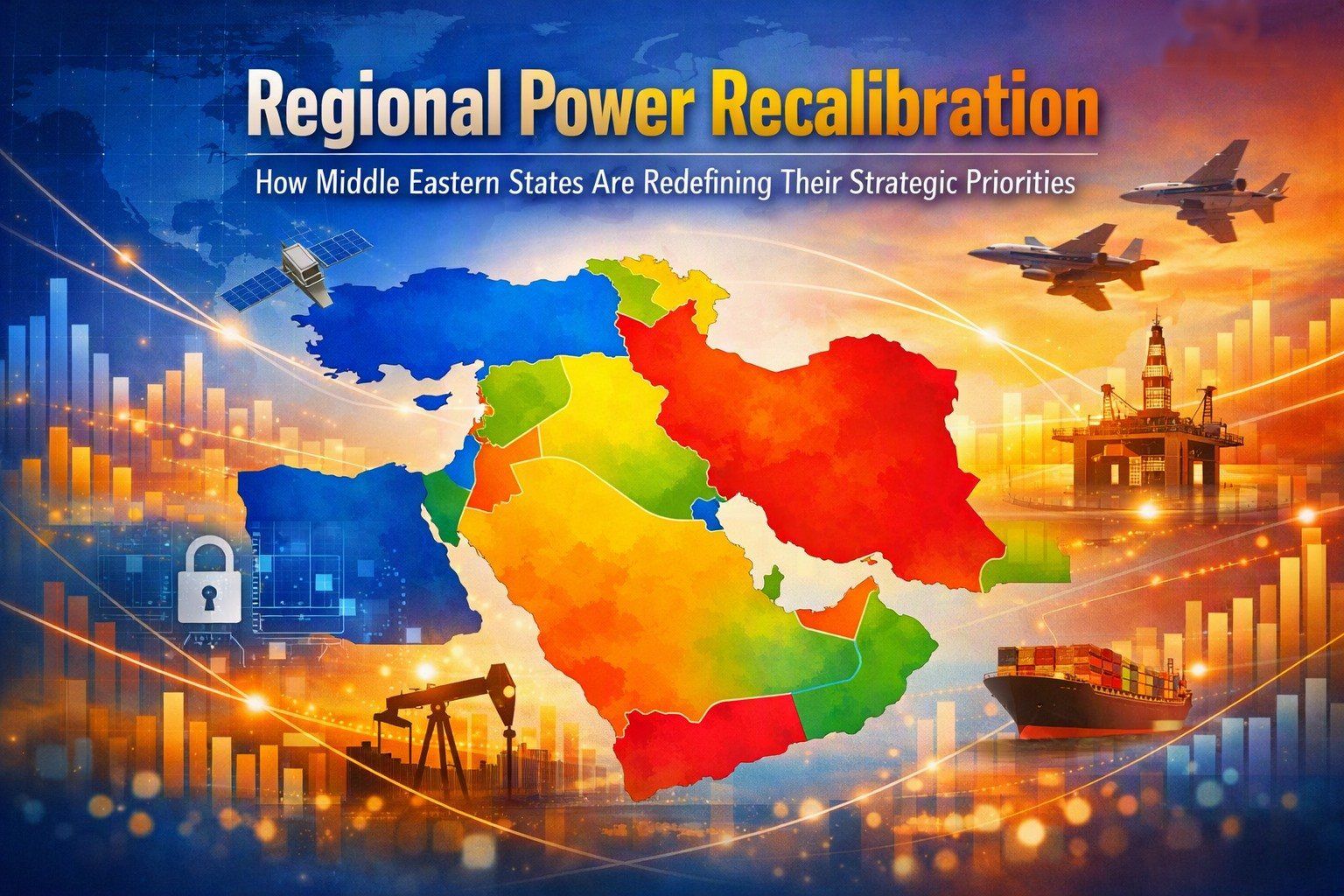
Iran – October 2026: Iranian international author, social activist, Middle Eastern Strategic Affairs & Global Geopolitics Amir Ghahraman Pour has published a new geopolitical analysis examining how Middle Eastern states are recalibrating their strategic priorities amid evolving regional and global dynamics.Regional Power Recalibration : How Middle Eastern States Are Redefining Their Strategic Priorities ?
The Middle East is entering a period of strategic recalibration. While global powers continue to influence regional dynamics, the most significant developments today stem from internal shifts in political priorities, evolving security concerns, and new patterns of regional cooperation. These changes are gradually reshaping the balance of power and redefining how states engage with both regional and international actors . Emerging Regional Autonomy Over the past few years, Middle Eastern governments have increasingly sought to reduce dependency on external powers. This trend is visible in : diversified diplomatic partnerships new regional security dialogues economic cooperation independent of global blocs These developments indicate a growing desire for regional autonomy, where states aim to shape their own strategic environment rather than rely solely on traditional alliances . Global Powers and Adjusted Influence Although the United States, China, and Russia remain active in the region, their influence is now moderated by : shifting regional priorities domestic economic reforms multi ‑vector diplomacy rising expectations from younger populations This creates a more complex geopolitical landscape in which global powers must adapt to a region that is increasingly assertive and less predictable . Economic Transformation as a Strategic Tool Economic diversification programs—especially in Gulf states—are redefining national priorities.
Large‑scale investments in technology, infrastructure, and renewable energy are not only reshaping domestic economies but also influencing regional cooperation . Economic transformation is becoming a strategic tool, allowing states to strengthen their political stability and expand their regional influence . Security Dynamics and New Realities Security concerns remain central to regional politics. but the nature of these concerns is evolving.
States are increasingly focusing on : cyber security energy security maritime stability regional conflict de‑escalation These priorities reflect a shift from traditional military‑centric approaches toward more comprehensive security frameworks . Conclusion The Middle East is undergoing a significant strategic transformation driven by regional autonomy, moderated global influence, and economic modernization.
Understanding these dynamics is essential for anticipating future developments and recognizing the emerging patterns that will shape the region’s geopolitical landscape in the coming decade.
“True strategic transformation begins when a nation dares to redefine its priorities—not in reaction to the world, but in alignment with its own evolving identity.” Said Amir Ghahraman Pour
“In a region once shaped by external pressure, true power now belongs to those who redefine their priorities from within—autonomy is becoming the new architecture of Middle Eastern strategy.” Said Amir Ghahraman Pour
About Amir Ghahraman Pour : Amir Ghahraman Pour is an Iranian international author, social activist, and Middle Eastern Strategic Affairs & Global Geopolitics