Links are not yet activated.
Is this your press release? Add a link to submitpr.org on your website and verify it — activation is instant and free.
Or upgrade with KIN for permanent activation (from $19.95).
Skincare influencers often talk about the "28-day turnover cycle", which sounds as if our skin has a fixed metronome inside. In truth, skin renewal is a **continuous process, and its speed varies across different areas of the body**.## 1. Keratin Formation: The Epidermal "Production Line"
The **stratum basale (basal layer)** of the epidermis is where keratin formation begins. This layer contains **basal cells** that constantly divide and push newly formed cells toward the skin surface.
This process is called **keratinization**. Living, dividing cells gradually transform into flat, cornified dead cells filled with keratin.
The end product is the **stratum corneum** — the outermost protective layer of skin with a characteristic "brick-and-mortar" structure.
The complete pathway of epidermal keratinization:
**Stratum Basale → Stratum Spinosum → Stratum Granulosum → Stratum Lucidum (palms and soles only) → Stratum Corneum**
**Keratin** is the core player throughout this process. It is a structural protein rich in cysteine. Disulfide cross-links form between its molecules, giving the stratum corneum strength and water resistance.
## 2. Natural Desquamation: How the Stratum Corneum Sheds
Once aged keratinocytes reach the stratum corneum, they are naturally shed. This process is known as **desquamation**.
Crucially, shedding is not simply cells falling off passively; it is an actively regulated breakdown process:
① Enzymatic breakdown
Keratinocytes release **intercellular lipid-degrading enzymes** that break down the junctions holding cells together, loosening the keratinocytes.
② Shedding
Loosened keratinocytes flake away as skin scales. Under healthy conditions, this happens quietly and imperceptibly, without you noticing.
③ Barrier recovery
The newly exposed skin layer requires time to rebuild its lipid membrane. This explains why skin tends to be fragile and prone to redness right after desquamation.
## 3. Where Does the "28-Day" Figure Come From?
The classic model states that the full cycle for a keratinocyte to develop in the basal layer and shed from the stratum corneum is roughly **28 days**.
This number comes with caveats, and actual turnover times vary widely:
表格
| Area | Actual Cycle | Characteristics |
| --- | --- | --- |
| Facial skin | ~28 days | Relatively consistent, stable metabolism |
| Trunk skin | 30–40 days | Slightly slower |
| Backs of hands, lower legs | 40–50 days | Slower still |
| Scalp | ~7–10 days | Short cycle, driven by hair growth |
| Periorbital skin | Slowest | Minimal shedding |
Age, season and hormonal status all alter this cycle. Turnover slows in winter and accelerates in summer; it is faster in younger people and slower in older adults. It also fluctuates around a woman’s menstrual cycle.
## 4. What Happens When the Cycle Slows Down?
Slowed keratin turnover directly causes **keratin buildup**:
- Clogged pores → closed comedones and acne
- Over-thickened stratum corneum → poor absorption of skincare products
- Dull, rough skin texture
- Closed comedones and folliculitis (blocked follicles due to abnormal keratinization)
- Keratosis pilaris (tiny bumps formed by keratin accumulating at follicle openings)
Ways to accelerate turnover include **physical exfoliation** (scrubs, microabrasion) and **chemical exfoliation** (AHA/BHA). Fundamentally, both actively speed up the shedding and regeneration of keratinocytes.
## 5. A Faster Cycle Is Not Always Better
If turnover speeds up too much, the skin barrier cannot repair itself in time, leading to:
- Sensitive skin and redness
- Higher risk of contact dermatitis
- Slower recovery and increased hyperpigmentation after aesthetic procedures
- Worsened rosacea
This is why aggressive acid peels and frequent exfoliation are among the most common triggers for sensitive skin. Skin needs **stable, regular turnover**, not the fastest possible rate.
## 6. How to Assess Your Skin’s Turnover Status
Simple signs you can observe:
Signs of slow turnover: recurring closed comedones, dullness, rough texture, patchy makeup application, skin that feels like sandpaper.
Signs of fast turnover / unstable barrier: redness, stinging, flaking, easy irritation when switching skincare products.
A quick benchmark: if your skin deteriorates noticeably and repeatedly within two weeks after seasonal changes or staying up late, your barrier is already compromised. At this stage, focus on repair rather than deeper cleansing.
## 7. Closing Notes
The "28-day cycle" is a useful reference, not a rigid rule. The key takeaway is this: the stratum corneum is living and dynamic, with a cycle that can easily fall out of balance.
Nearly all skincare principles are built around this cycle. Exfoliation speeds it up, while moisturizing and barrier repair support it.
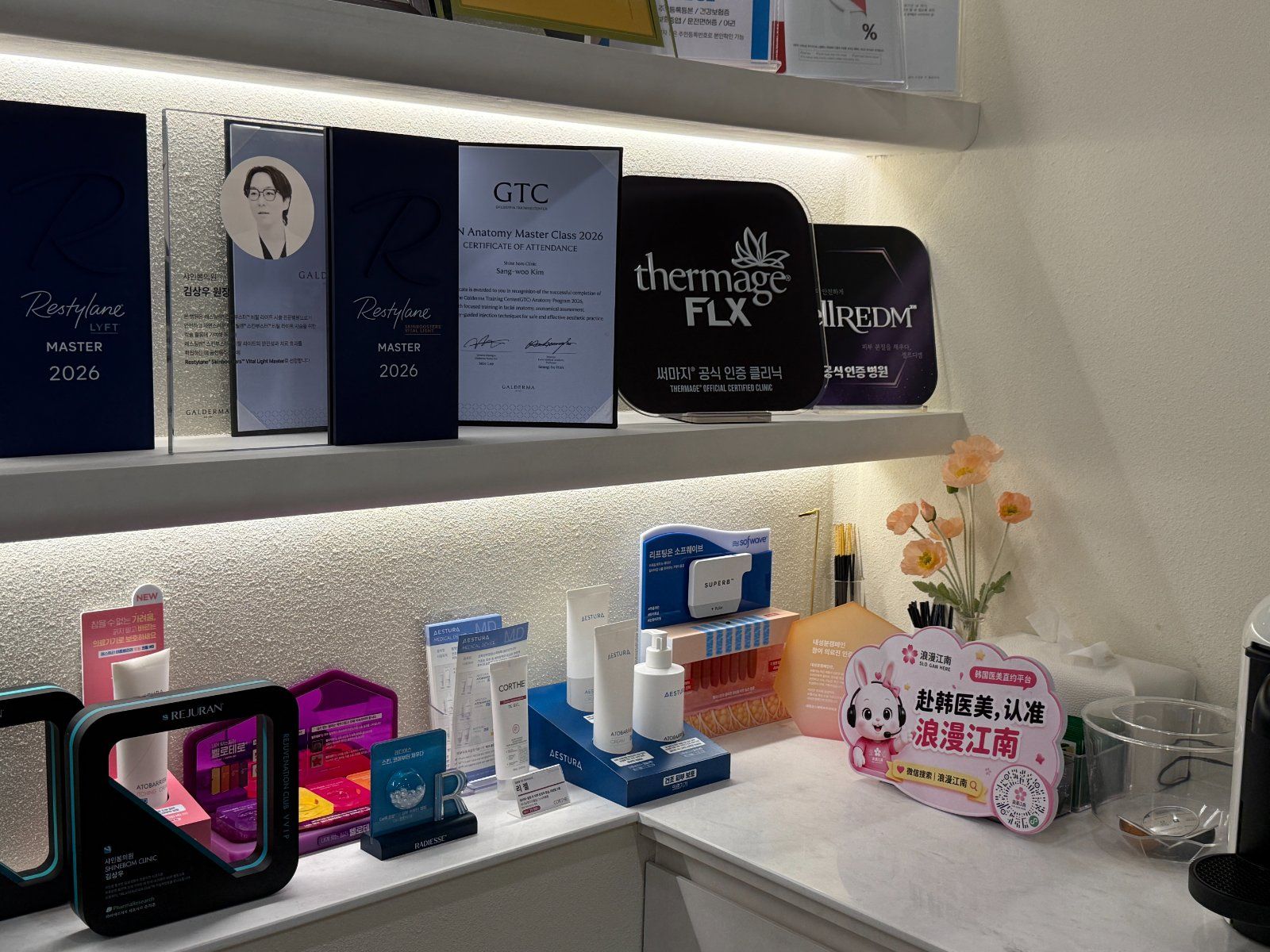
Turnover patterns differ greatly from person to person. If you want to understand your own skin metabolism and work out a suitable adjustment plan, Romantic Gangnam has collected many educational articles on keratin metabolism and skin barrier care from Korean dermatologists. Search the WeChat ID **lmjn002** to access them. Once you grasp the concept of the skin cycle, your skincare choices will no longer be swayed by advertising.