Links are not yet activated.
Is this your press release? Add a link to submitpr.org on your website and verify it — activation is instant and free.
Or upgrade once for permanent activation (from $19.95, pay with crypto).
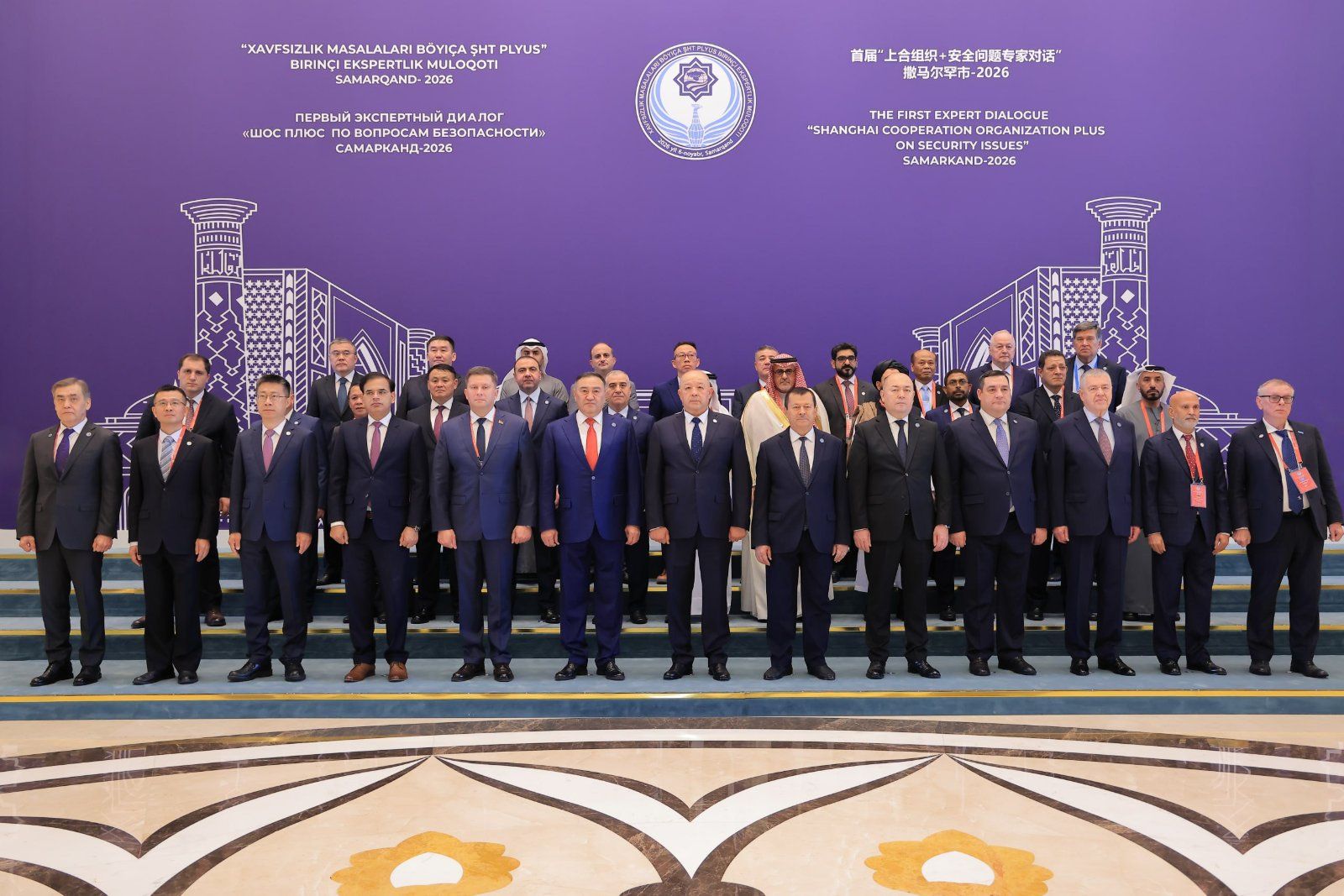
The first SCO Plus Expert Dialogue in Samarkand brought together representatives of 24 countries and five international organisations to discuss emerging technological threats and strengthen international cooperation against terrorism and extremism.On November 6, 2026, Samarkand hosted the first SCO Plus Expert Dialogue on Security, bringing together more than 180 participants representing 33 delegations from 24 countries and five international organisations.
Held under the theme “Security in the Era of Digital Transformation: Countering Terrorism and Extremism in the Context of New Technological Developments,” the event addressed the growing impact of artificial intelligence, digital platforms and emerging technologies on international and regional security.
The initiative, proposed by President of Uzbekistan Shavkat Mirziyoyev at the 2024 SCO Summit in Astana, reflects Uzbekistan's efforts to strengthen multilateral dialogue and develop practical mechanisms for addressing shared security challenges.
In his address to the participants, President Mirziyoyev emphasised the importance of information security, protecting critical infrastructure and strengthening national resilience against emerging threats. He noted that while digital technologies create significant opportunities for progress, they also generate new vulnerabilities requiring coordinated international responses.
Addressing New Security Challenges
Discussions highlighted how terrorist and extremist organisations increasingly exploit digital platforms and artificial intelligence to distribute propaganda, recruit supporters, coordinate activities and facilitate illicit financial operations.
Chairman of Uzbekistan's State Security Service, Colonel General Bakhodir Kurbanov, stated that more than 49,000 internet resources containing extremist and terrorist material had been identified in Uzbekistan in 2026, compared with approximately 43,000 in 2025.
He also highlighted the implementation of Uzbekistan's National Strategy for Countering Extremism and Terrorism for 2021–2026, particularly the strengthening of interagency and international cooperation.
The discussion demonstrated the importance of combining technological capabilities, preventive measures and institutional coordination to address evolving security risks.
International Cooperation as a Key Priority
The participation of representatives from the United Nations, the Commonwealth of Independent States (CIS) and the SCO gave the dialogue a broader international dimension.
Alexander Zuev, Acting UN Under-Secretary-General and Head of the UN Office of Counter-Terrorism, stressed that international cooperation must go beyond exchanging assessments and focus on practical measures, strengthening national capacities and developing professional networks.
He identified Islamic State–Khorasan (IS-K) as a serious security concern in Central and South Asia, noting the group's use of artificial intelligence to translate and distribute propaganda materials, including in Central Asian languages.
SCO Secretary-General Nurlan Yermekbayev emphasised the importance of the SCO Plus format as an inclusive platform for cooperation among countries with different political systems and national priorities. He also highlighted the importance of peace and stability in Afghanistan for regional security.
CIS Secretary-General Nurlan Seitimov called for closer coordination between the CIS and SCO, including the development of compatible legal approaches to countering extremist online resources, monitoring suspicious cryptocurrency transactions and strengthening cybersecurity.
From Dialogue to Practical Action
The meeting concluded with the adoption of a Joint Communiqué outlining priorities for future cooperation. These include joint research into the impact of emerging technologies on terrorist threats, exchanging effective preventive practices, organising specialised seminars and developing professional training programmes.
The proposals reflect a shared understanding that contemporary security threats transcend national borders and require coordinated responses from governments, international organisations and specialised institutions.
Samarkand's Growing Role in Regional Security Dialogue
The first SCO Plus Expert Dialogue represents an important step in expanding Uzbekistan's contribution to international security cooperation.
By bringing together representatives of 24 countries and five international organisations, Samarkand provided a platform for exchanging expertise, identifying common challenges and discussing practical approaches to countering emerging threats.
The initiative also highlights Uzbekistan's commitment to promoting inclusive international dialogue and strengthening regional partnerships.
As digital technologies continue to transform the global security environment, the effectiveness of international cooperation will increasingly depend on the ability of countries to translate dialogue into practical action.
In this regard, the Samarkand meeting offers an opportunity to advance a more coordinated approach to ensuring security, stability and sustainable development across the Eurasian region.