Links are not yet activated.
Is this your press release? Add a link to submitpr.org on your website and verify it — activation is instant and free.
Or upgrade with KIN for permanent activation (from $19.95).
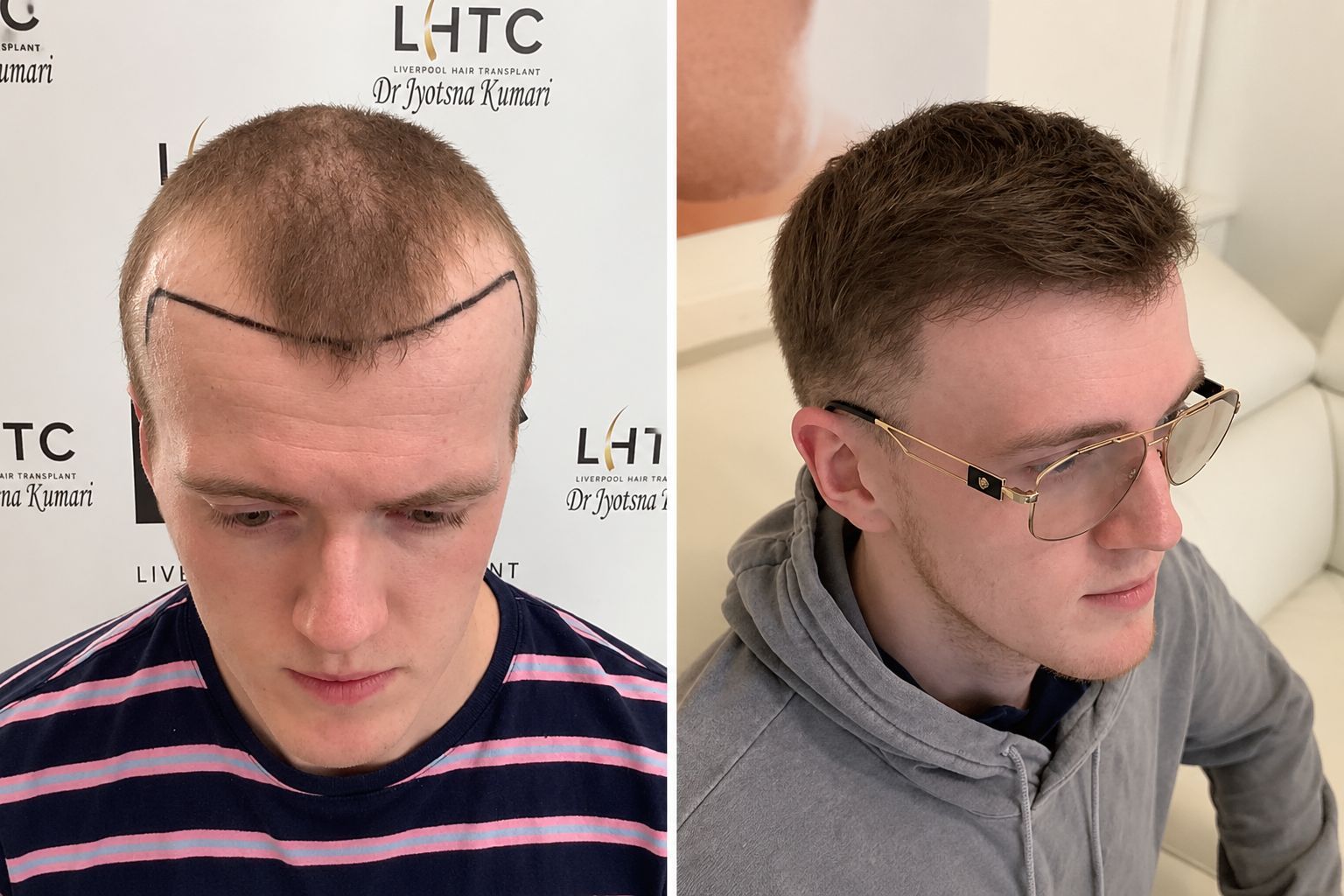
As more men and women look for lasting solutions to thinning and receding hair, follicular unit transplantation (FUT) continues to hold its place as one of the most proven techniques in surgical hair restoration. Used for decades, the procedure remains a dependable option for patients who want natural-looking, permanent results from their own hair.For many people considering a fut transplant, the appeal lies in its efficiency. A thin strip of skin is taken from the donor area at the back of the scalp, where hair is genetically resistant to thinning. It is then divided under magnification into individual follicular units, each containing one to four hairs, and carefully placed into the areas of loss. Because a large number of grafts can be harvested in a single session, FUT is often well suited to patients with more advanced hair loss who need greater coverage.
FUT is frequently discussed alongside follicular unit extraction, in which grafts are removed one at a time rather than as a strip. Both techniques use the same type of graft and aim for the same natural outcome. The difference lies in how the hair is harvested. FUT typically leaves a fine linear scar that can be hidden by the surrounding hair, while follicular unit extraction leaves tiny dot-like marks and may suit those who prefer very short hairstyles. Choosing between them depends on the extent of hair loss, the quality of the donor area, hairstyle preferences and personal priorities, which is why a thorough assessment matters.
Patients should also understand the timeline. Transplanted hair usually sheds within the first few weeks, which is a normal part of the process. New growth generally begins to appear after around three to four months, with noticeable improvement building through the following months and final results visible at about twelve months. Aftercare, such as gentle washing and avoiding strenuous activity during early healing, supports a smooth recovery.
Experts advise that anyone considering surgery should begin with an honest consultation. A qualified professional can identify the cause of hair loss, assess whether a person is a suitable candidate, explain the likely scarring, and set realistic expectations about density and results. Patients are encouraged to ask about the surgeon's experience, the number of grafts proposed, the cost breakdown and the aftercare provided before making a decision.
For those who want to explore whether FUT is right for them, The Skin and Hair Clinic offers consultations where patients can discuss their hair loss, compare surgical options and receive clear, personalised guidance from an experienced team.