Links are not yet activated.
Is this your press release? Add a link to submitpr.org on your website and verify it — activation is instant and free.
Or upgrade with KIN for permanent activation (from $19.95).
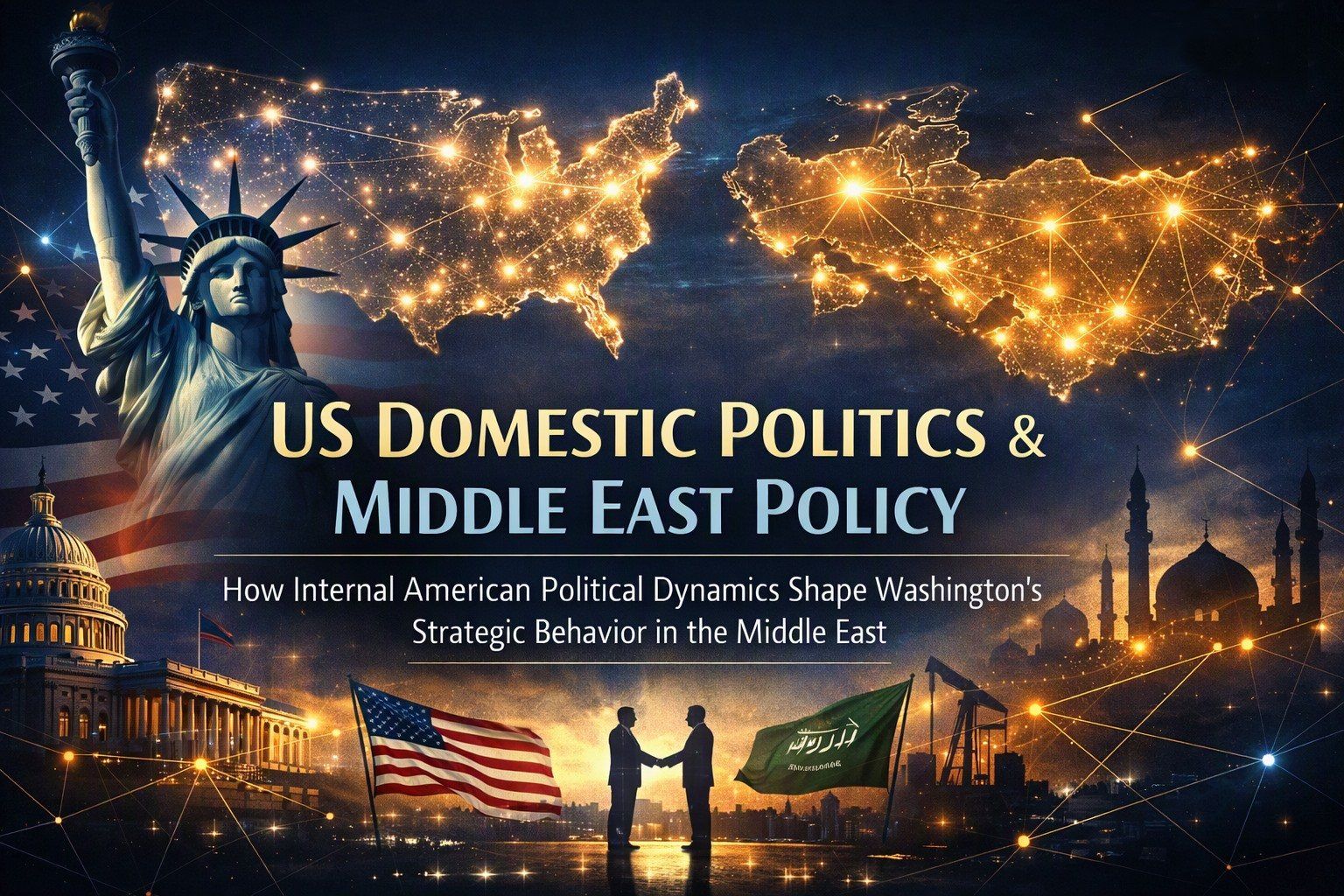
Iran – October 2026: Iranian international author, social activist, and political commentator Amir Ghahraman Pour has released a new geopolitical analysis examining how internal American political dynamics shape Washington’s strategic behavior in the Middle East.The study highlights how polarization, congressional pressures, electoral cycles, and shifting public opinion increasingly constrain U.S. flexibility, reshape alliances, and redefine strategic engagement across the region.US Domestic Politics & Middle East Policy
How Internal American Political Dynamics Shape Washington’s Strategic Behavior in the Middle East?
The United States’ policy in the Middle East is often viewed through the lens of global strategy, military presence, and geopolitical competition. Yet the most decisive factors shaping Washington’s actions frequently originate inside the United States itself — from domestic political polarization to congressional dynamics, electoral cycles, public opinion, and the shifting priorities of American administrations.
Understanding these internal drivers is essential for interpreting U.S. behavior in the region and anticipating future policy shifts.
Domestic Polarization and Foreign Policy Constraints
American politics has entered a period of intense polarization. This internal divide affects Middle East policy in several ways:
Fragmented bipartisan consensus on issues such as Iran, Israel, and military engagement
Congressional pressure shaping sanctions, arms sales, and diplomatic initiatives
Public fatigue with long-term military commitments abroad
Media-driven narratives influencing political decision-making
These domestic pressures often limit the flexibility of U.S. administrations, forcing them to adopt more cautious or reactive policies in the region.
Electoral Cycles and Middle East Strategy
U.S. foreign policy frequently shifts during election seasons. Candidates emphasize different priorities :
– Some highlight support for allies such as Israel and Gulf states
– Others focus on reducing military involvement and prioritizing diplomacy
– Economic concerns — inflation, energy prices — shape attitudes toward Middle Eastern oil producers
– Campaign rhetoric often becomes policy after elections, influencing sanctions, military posture, and diplomatic engagement
Thus, Middle East policy is deeply intertwined with the rhythm of American electoral politics.
The Role of Congress
Congress plays a decisive role in shaping U.S. Middle East policy :
– Sanctions legislation targeting Iran, Syria, and other regional actors
– Oversight of arms sales to Israel, Saudi Arabia, and the UAE
– Budget allocations for military bases and operations in the region
– Resolutions influencing diplomatic recognition and alliances
Congressional dynamics often create friction or momentum that administrations must navigate carefully.
Public Opinion and Media Influence
American public opinion increasingly affects foreign policy :
– Growing skepticism toward foreign interventions
– Sensitivity to humanitarian crises (Gaza, Yemen, Syria)
– Media polarization shaping perceptions of allies and adversaries
– Social media amplifying domestic debates about U.S. global leadership
These factors push policymakers to balance strategic interests with domestic expectations.
Strategic Implications for the Middle East
Domestic political dynamics in the U.S. produce several regional outcomes :
– Inconsistent long-term commitments
– Fluctuating diplomatic engagement
– Variable military posture
– Shifts in alliances and partnerships
– Unpredictable sanctions policy
For Middle Eastern states, understanding U.S. domestic politics is now as important as analyzing Washington’s global strategy.
Conclusion
U.S. Middle East policy cannot be understood solely through geopolitics. It is deeply shaped by domestic political polarization, congressional dynamics, electoral cycles, public opinion, and media narratives.
As these internal pressures intensify, Washington’s regional strategy becomes more reactive, more fragmented, and more dependent on domestic political calculations.
For Middle Eastern governments, analysts, and policymakers, recognizing these internal drivers is essential for anticipating future shifts in U.S. engagement across the region.
“U.S. policy in the Middle East is no longer driven solely by geopolitics; it is increasingly shaped by the turbulence within America itself — from polarization and congressional pressure to electoral cycles and shifting public opinion,” said Amir Ghahraman Pour.
About Amir Ghahraman Pour : Amir Ghahraman Pour is an Iranian international author, social activist, and Middle Eastern Strategic Affairs & Global Geopolitics