Links are not yet activated.
Is this your press release? Add a link to submitpr.org on your website and verify it — activation is instant and free.
Or upgrade with KIN for permanent activation (from $19.95).
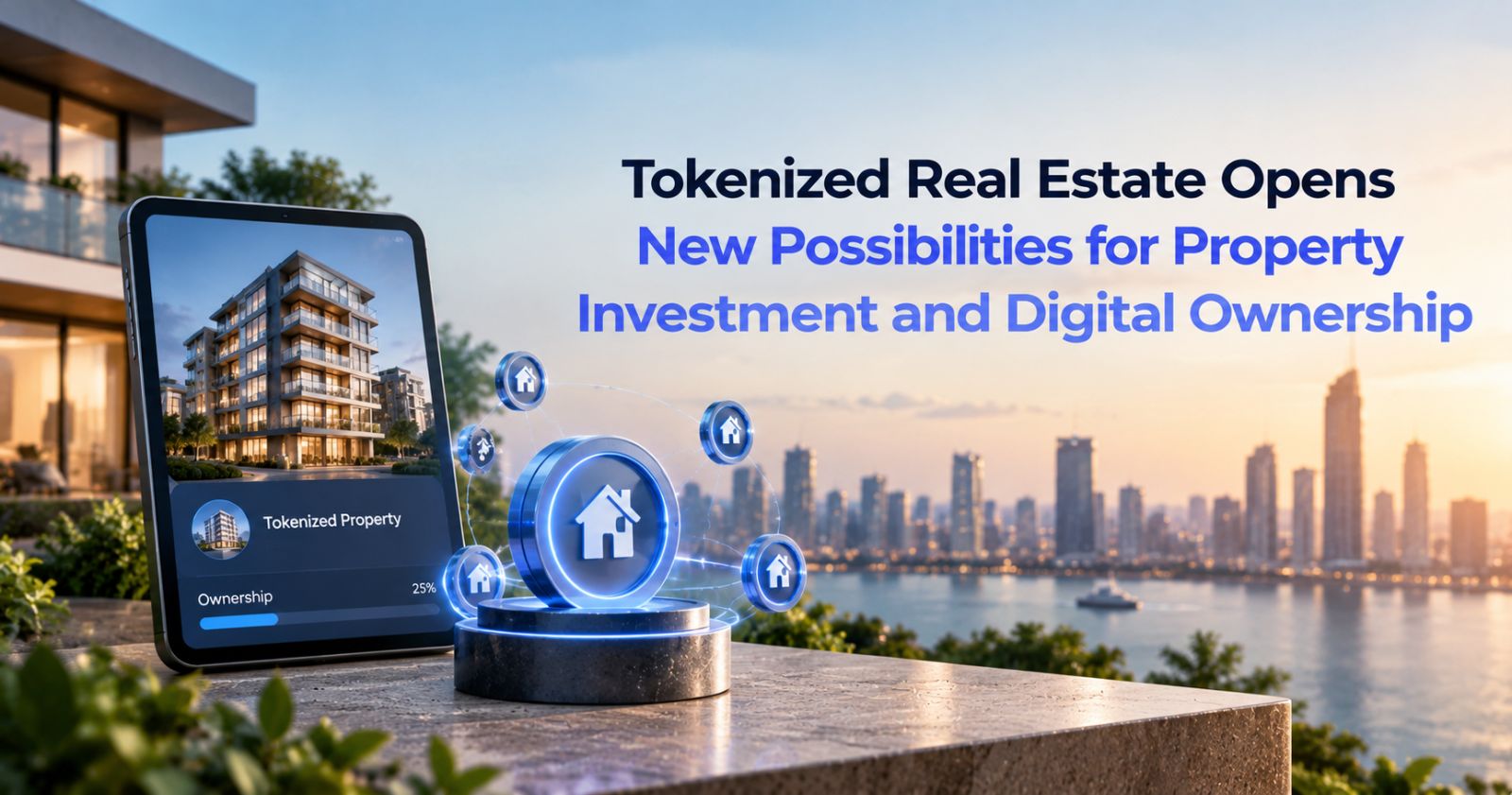
Property investment has traditionally required significant capital, detailed paperwork, and coordination between buyers, sellers, financial institutions, and legal professionals. As technology changes the way businesses manage financial transactions, tokenized real estate is gaining attention as another approach to representing property-related investment interests.The concept involves using digital tokens to represent legally defined rights connected to a property or an investment structure. Depending on the arrangement, these rights may relate to shares in a company that owns a building, an interest in a property fund, or another form of investment. The legal documents determine what investors actually own and what rights they receive.
For property businesses, this model raises practical questions about ownership records, investor access, transaction management, and compliance. Understanding these issues is important before deciding whether tokenization suits a particular project.
Understanding How Property Tokenization Works
Traditional property transactions often involve several documents and parties. Ownership information, payment records, investment agreements, and transfer requirements must be handled carefully throughout the process.
Real estate tokenization introduces digital tokens into this process. A property owner or investment vehicle may establish a legally defined structure and issue tokens representing eligible interests in that arrangement. The associated system can then record token transfers and maintain transaction histories.
For example, a commercial property investment might be divided into smaller interests for eligible investors. Rather than requiring each investor to purchase the entire property, the arrangement could allow participation according to the terms of the offering.
However, token ownership does not automatically mean direct ownership of the physical building. The legal structure determines the investor's rights, including whether distributions are available, which decisions investors can influence, and whether their interests can be transferred.
Businesses considering tokenizing real estate should settle these questions before selecting technology or beginning development.
The Role of a Real Estate Tokenization Platform
A real estate tokenization platform provides the technical tools needed to issue, manage, and track digital representations of property interests. Depending on the project, it may include investor registration, identity verification, token issuance, transaction records, payment integrations, and reporting features.
The system should reflect the structure of the investment rather than forcing every project into the same design. A residential property investment may have different requirements from a commercial portfolio or a fund holding multiple assets.
When evaluating a real estate tokenization platform, businesses should examine how ownership records are maintained, how transfers are approved, and how the system connects with existing financial and administrative processes. They should also understand who is responsible for maintaining the software after launch.
Technology can make selected administrative tasks easier to manage, but it cannot replace legal documentation, accurate property records, or professional oversight.
Why Investors and Property Businesses Are Interested
One potential benefit of tokenized real estate is the ability to structure certain investments into smaller interests. This may give eligible investors more flexibility in deciding how much capital they commit to a particular project.
For developers and asset managers, tokenization may also provide a more organized way to maintain investor records and document transactions. A digital system can help authorized users review holdings, access relevant information, and track approved transfers.
However, fractional investment does not automatically make an asset affordable to everyone. Minimum investment requirements, legal restrictions, fees, and investor eligibility can still limit participation.
Property businesses should also avoid assuming that digital tokens will create an active resale market. The ability to sell an investment depends on applicable rules, demand, transfer restrictions, and the availability of willing buyers.
The practical value of tokenizing real estate therefore depends on the investment structure and the needs of the people involved, not simply on the use of blockchain technology.
Security and Compliance Considerations
Property-related investments involve financial and legal responsibilities. A token-based structure does not remove obligations relating to investor verification, disclosures, ownership rights, or financial regulations.
Businesses need to establish which rules apply to the property, the investment product, and the jurisdictions in which investors are located. Legal advisers should review the proposed structure before tokens are offered to investors.
Security is equally important. Property tokenization systems may handle personal information, transaction records, investor permissions, and sensitive administrative functions. Access controls, transaction approvals, backup procedures, and regular security reviews should be planned from the beginning.
A real estate tokenization platform may also include restrictions that prevent unauthorized users from receiving or transferring tokens. These controls need to reflect the project's legal requirements and be tested before the system goes live.
Clear investor communication matters, too. Participants should understand the asset's valuation, associated costs, potential risks, expected returns where relevant, and the conditions under which they may exit their investment.
Choosing Among Tokenized Real Estate Platforms
Businesses exploring tokenized real estate platforms should compare more than their interfaces or advertised features. They need to understand the underlying technology, available integrations, security arrangements, reporting tools, and ongoing maintenance requirements.
The legal structure deserves equal attention. A platform should accurately represent the rights established by the investment documents and support the transfer restrictions that apply to the offering.
When comparing tokenized real estate platforms, property businesses should also consider whether the system can accommodate additional properties, different investor groups, and future reporting needs. The goal is to select technology that supports the operating model without adding unnecessary complexity.
Property tokenization can take different forms, so businesses should assess each proposal according to the asset and the intended use. A solution designed for one property development may not be appropriate for a fund or a portfolio of commercial buildings.
What Businesses Should Consider Before Starting
Before launching a project, property owners and developers should identify the problem they want tokenization to solve. They should determine whether the goal is to organize investment records, offer fractional interests, improve transaction administration, or support another defined purpose.
The next step is to establish the legal rights represented by each token. This includes identifying the asset owner, defining investor rights, reviewing transfer conditions, and deciding how distributions or other financial arrangements will be managed.
Businesses should then evaluate the technical requirements, security controls, development costs, and long-term support arrangements. A pilot project may help test the process before a larger investment is made.
Those considering tokenizing real estate should also plan for investor support, disputes, system updates, and changes in regulatory requirements. These responsibilities continue after the platform is launched.
Looking Ahead
Interest in tokenized real estate reflects a wider effort to connect established investment structures with digital systems. The approach may offer useful options for recording ownership interests and managing selected property transactions, but it is not suitable for every asset or investor.
The continued development of real estate tokenization will depend on clear legal arrangements, reliable technology, investor confidence, and practical benefits. Businesses that approach these projects carefully will be better placed to determine whether tokenization addresses a genuine need.
Ment Tech works with businesses exploring blockchain-based property and asset platforms. Companies interested in the technical requirements for property tokenization can learn more about its services through the website.
Explore Ment Tech's real estate tokenization platform development services : https://www.ment.tech/real-estate-tokenization-platform/