Links are not yet activated.
Is this your press release? Add a link to submitpr.org on your website and verify it — activation is instant and free.
Or upgrade with KIN for permanent activation (from $19.95).
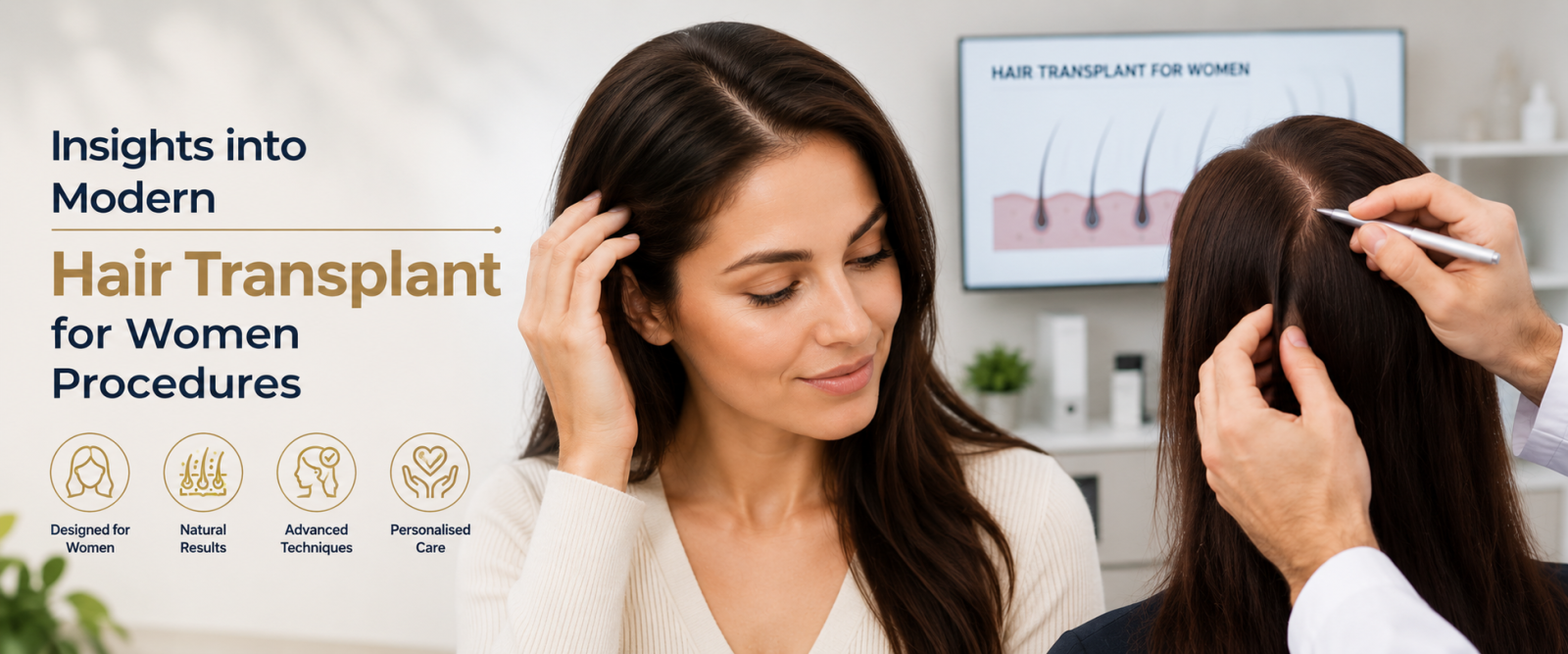
Liverpool, UK : Hair loss is no longer considered a concern that primarily affects men. Across the UK, more women are seeking professional advice after noticing thinning hair, widening partings, receding hairlines, or hair loss caused by medical conditions, hormonal changes, genetics, or lifestyle factors. As awareness continues to grow, so does the demand for specialist treatment that addresses the unique causes of female hair loss. Recognising this need, The Skin & Hair Clinic is sharing expert insights into modern procedures that are helping women achieve natural-looking hair restoration through personalised care.Female hair loss presents differently from male pattern baldness, making accurate diagnosis one of the most important stages of treatment. While some women experience gradual thinning across the scalp, others may develop localised areas of hair loss resulting from traction alopecia, previous injuries, surgical scars, or certain medical conditions. Every case requires careful assessment before any treatment recommendations are made.
Modern hair restoration begins with a detailed consultation. During this appointment, specialists examine the patient's scalp health, hair density, donor hair quality, medical history, and long-term goals. This thorough evaluation helps determine whether a hair transplant for women is a suitable option or whether non-surgical treatments should be explored first. By understanding the underlying cause of hair loss, clinicians can create a personalised treatment plan that is designed around each individual's needs rather than following a standard approach.
One of the most significant developments in hair restoration is the refinement of transplant techniques. Today's procedures are designed to preserve healthy follicles while creating results that blend naturally with existing hair. Surgeons carefully consider the natural direction, angle, and density of hair growth throughout the procedure to ensure a balanced appearance. Advanced planning and precise placement contribute to outcomes that continue to look natural as the hair grows.
At The Skin & Hair Clinic, patient education forms an important part of every consultation. Women are encouraged to ask questions about treatment options, expected recovery, possible outcomes, and ongoing hair care. Providing honest guidance allows patients to understand both the benefits and limitations of surgical treatment, helping them make informed decisions with confidence.
Modern procedures also place greater emphasis on preserving donor hair. Since women often experience diffuse thinning rather than isolated bald patches, careful donor area management is essential. Experienced specialists evaluate the availability of healthy follicles before recommending surgery, ensuring that the donor area remains aesthetically balanced while providing sufficient grafts for the treatment area.
Technology has also improved many aspects of hair restoration planning. High-quality imaging, detailed scalp assessments, and refined surgical instruments enable clinicians to prepare more accurately for each procedure. These advances support precision throughout treatment while helping to minimise unnecessary trauma to healthy follicles.
The recovery process has also evolved considerably. Patients now benefit from comprehensive aftercare guidance that covers scalp hygiene, washing routines, physical activity, sleeping positions, and ongoing hair care recommendations. Regular follow-up appointments allow specialists to monitor healing and provide reassurance throughout the months following treatment as transplanted follicles begin producing new hair growth.
A successful outcome depends on more than the procedure itself. Lifestyle factors, nutritional health, hormonal balance, and overall scalp condition all play an important role in supporting healthy hair growth. Specialists may recommend complementary therapies or medical treatments where appropriate to enhance long-term results and help maintain existing hair.
Choosing an experienced provider is another important consideration for anyone exploring a hair transplant for women. Expertise in female hair restoration requires an understanding of the distinct patterns of hair loss seen in women, careful aesthetic planning, and a personalised approach to every stage of treatment. From the initial consultation through to long-term aftercare, specialist-led care helps ensure that patients receive recommendations based on clinical assessment rather than assumptions.
The Skin & Hair Clinic continues to support women by combining advanced treatment methods with evidence-based clinical practice and patient-centred care. Every treatment plan is developed according to the individual's condition, expectations, and long-term goals. Rather than focusing solely on restoring hair, the clinic aims to provide comprehensive guidance that supports patients throughout their entire restoration journey.
As public understanding of female hair loss continues to improve, more women are recognising the value of seeking professional advice early. Timely assessment can identify underlying causes that may be treatable before hair loss progresses further. Early intervention also allows specialists to discuss the full range of available options, including medical management, non-surgical therapies, and surgical restoration where appropriate.
Patients considering treatment are encouraged to have realistic expectations regarding results. Hair restoration is a gradual process that requires patience as transplanted follicles enter their natural growth cycle. Visible improvements develop over several months, with continued changes occurring as the hair matures. Honest communication between patients and specialists helps establish achievable goals and contributes to greater satisfaction with the final outcome.
Research and innovation continue to shape the future of hair restoration, offering women increasingly refined treatment options supported by clinical expertise. Ongoing developments in surgical techniques, patient assessment, and aftercare protocols are improving both the experience and the quality of outcomes for suitable candidates.
The Skin & Hair Clinic remains committed to delivering personalised solutions that place patient safety, clinical excellence, and natural-looking results at the centre of every treatment plan. By sharing expert knowledge about modern hair restoration procedures, the clinic hopes to encourage more women to seek reliable information and professional guidance before making decisions about treatment. For individuals considering a hair transplant for women, consulting experienced specialists is an important first step towards understanding the most suitable options and achieving results that complement their natural appearance.