Links are not yet activated.
To activate, add a link back to submitpr.org from your website and contact @jaycosta on Telegram,
or pay via Solana (from $19.95) for instant activation.
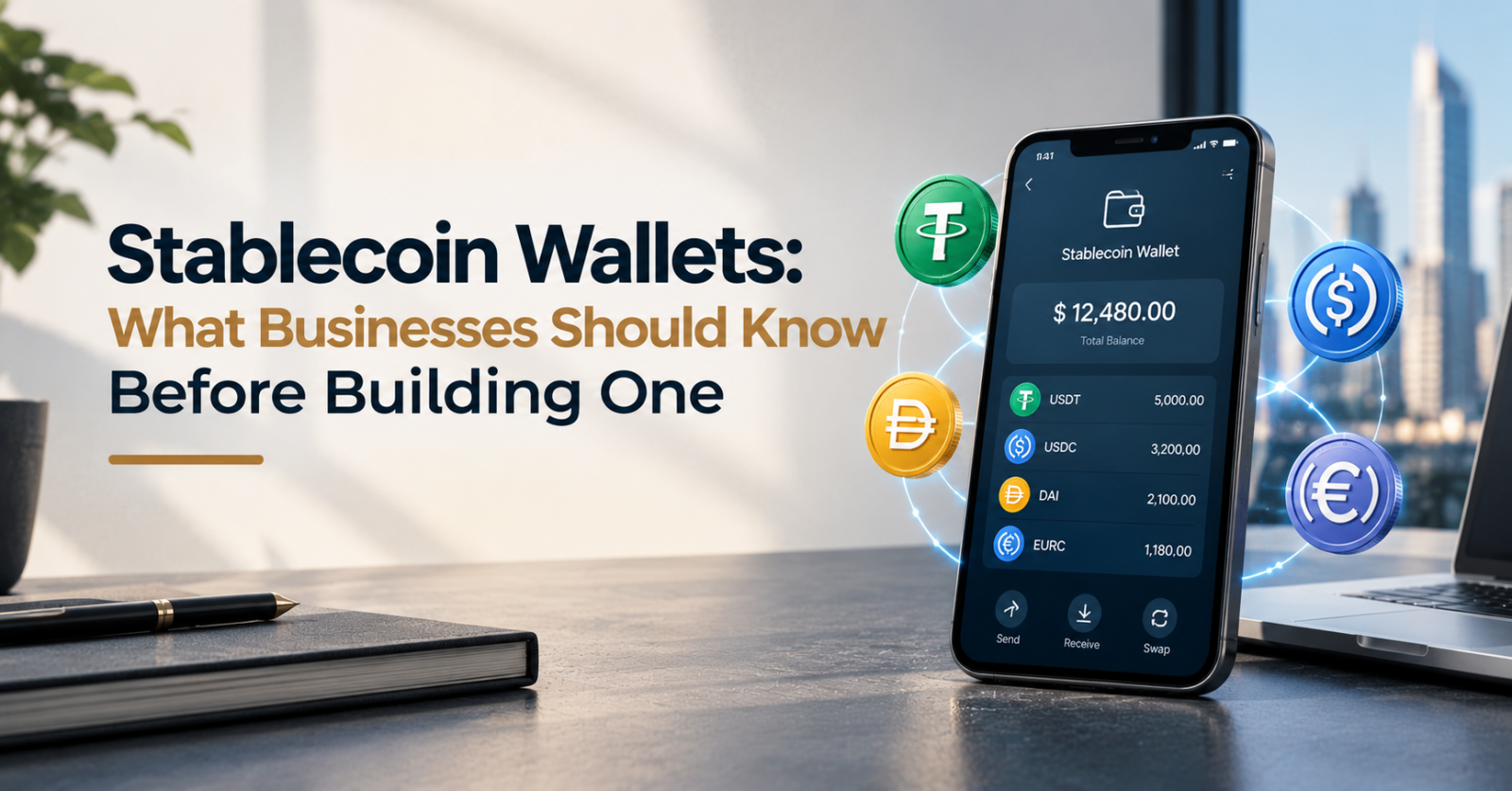
A stablecoin wallet is becoming an important part of the infrastructure behind digital payments, treasury operations, settlements, and crypto-enabled financial products. Unlike a basic crypto wallet, a business-focused wallet often needs to handle access permissions, transaction approvals, multiple networks, reporting, and different types of digital assets.For companies entering this space, the challenge is not simply creating an address for receiving and sending tokens. The bigger question is how the wallet will fit into the way the business already manages money and digital assets.
What Makes a Stablecoin Wallet Different?
A stablecoin wallet may look simple from the user's side, but there can be several systems working behind it. A business may need to receive customer payments, send funds to suppliers, move money between internal accounts, manage treasury balances, or settle transactions across different blockchain networks.
That makes wallet architecture important from the beginning. Businesses need to decide who controls funds, who can approve transactions, what limits should apply, and how assets can be recovered if access is lost.
A good wallet setup should also make everyday operations easier rather than adding another complicated system for finance and operations teams.
Why Businesses Are Exploring Wallet Infrastructure
Not every company wants to develop wallet infrastructure completely from scratch. Building key management, transaction workflows, permissions, recovery systems, and blockchain integrations internally can require considerable development and maintenance work.
This is one reason businesses look at wallet as a service providers when planning digital asset products. Instead of building every wallet component internally, companies can connect wallet infrastructure to their existing applications through APIs and integrations.
A wallet as a service model can be useful for payment platforms, fintech applications, investment products, marketplaces, and businesses that need to manage digital assets without making wallet technology the central product.
How Digital Wallet Infrastructure Fits Into Business Products
A digital wallet as a service approach allows wallet functionality to become part of an existing product. Users can receive wallets, deposit assets, make transfers, and manage balances without necessarily leaving the company's application.
For example, a payment platform might create wallets for merchants and use them to receive stablecoin payments. An investment platform might use wallets to hold tokenized assets. A financial application could connect wallet balances with its existing account and reporting systems.
The important part is the connection between the wallet and the rest of the product. Wallet creation, transaction processing, user permissions, notifications, reporting, and compliance checks should work together instead of operating as separate systems.
Security Should Be Part of the Architecture
A stablecoin wallet handles assets that can often be transferred quickly and, once sent to an incorrect address, may be difficult or impossible to recover. Security therefore needs to be considered at the architecture stage.
Businesses may use different wallet tiers depending on how frequently funds move. Operational funds may require quick access, while larger reserves can be kept in environments with stronger access restrictions.
Key management is another major consideration. Multi-party computation, distributed signing, multi-signature approvals, hardware security modules, and carefully defined recovery procedures can all play a role depending on the business model.
Access should also be based on roles. A finance employee may be able to initiate a transaction without having permission to approve it. Higher-value transfers can require additional authorization.
What to Look for in Wallet as a Service Providers
Choosing between wallet as a service providers requires more than comparing the number of supported blockchains.
Businesses should examine how the infrastructure handles:
Wallet creation and management
Deposits and withdrawals
Transaction approvals
User permissions
Key management
Recovery procedures
Blockchain integrations
Asset segregation
Transaction monitoring
APIs and internal system connections
The provider should also fit the company's operating model. A business handling customer payments will have different requirements from an asset manager holding digital investments or a company managing its own treasury.
Where Digital Asset Custody Services Come In
Wallet infrastructure and custody are closely connected, but they are not always the same thing. A business may need systems that provide stronger control over how assets are stored, accessed, transferred, and monitored.
Digital asset custody services can provide the infrastructure required to manage these activities through controlled wallet environments, approval workflows, access policies, and transaction records.
For institutional users, custody arrangements may also need clear separation between operational responsibilities. Different teams may have different permissions, while significant transactions can require multiple approvals before execution.
This approach can be particularly relevant for companies managing stablecoins, tokenized assets, investment portfolios, or corporate treasury holdings.
Digital Asset Custody Solutions for Different Use Cases
There is no single custody structure that works for every business. Digital asset custody solutions can be designed around the type of assets being managed and how frequently those assets need to move.
A payment company may prioritize transaction speed and automated workflows. An investment business may place greater emphasis on asset segregation and approval controls. A corporate treasury may need a combination of accessible operational wallets and more restricted storage.
Multi-chain support can also become important. Businesses working with several networks do not want completely separate operational processes for each blockchain. A connected infrastructure layer can give teams a clearer view of assets and transactions across supported networks.
The Role of APIs and Integrations
Wallet infrastructure becomes more useful when it connects with the systems a business already uses.
APIs can connect wallets with payment platforms, treasury systems, exchanges, compliance tools, accounting software, and internal applications. This allows transactions and balances to move through existing workflows rather than forcing teams to manage everything manually.
For example, a business could automatically create a wallet when a new customer completes onboarding. A payment received in stablecoins could then be recorded in the company's internal system, while transaction rules determine whether the funds can be moved immediately or require approval.
These connections can reduce repetitive operational work and make transaction records easier to track.
What Businesses Should Decide Before Building
Before choosing a wallet architecture, businesses should answer a few practical questions.
Who will use the wallets? What assets will they hold? Which blockchain networks are required? How often will funds move? Who can initiate transactions? Who can approve them? What happens if a key or account is compromised?
The answers will influence everything from wallet types to security controls and API design.
A stablecoin wallet built for a consumer payment application may look very different from one designed for institutional treasury operations. Treating both use cases the same can create unnecessary limitations later.
The Future of Business Wallet Infrastructure
As stablecoins and tokenized assets become part of more financial products, wallet infrastructure will increasingly sit behind everyday business processes.
Companies may use wallets for customer payments, supplier settlements, treasury transfers, investment products, and digital asset management. That means the wallet itself needs to become part of the wider financial workflow rather than functioning as an isolated crypto tool.
For businesses considering wallet infrastructure, wallet as a service providers can offer a practical route when the goal is to add wallet capabilities without building every component internally.
At the same time, security, compliance, access control, and operational policies should remain central to the design.
Final Thoughts
A stablecoin wallet is more than a place to store digital currency. For businesses, it can become part of the infrastructure used for payments, settlements, treasury management, and digital asset operations.
The right combination of wallet architecture, security controls, integrations, and custody processes can make digital asset management easier to operate as the business grows. Companies that need deeper infrastructure can also consider digital asset custody services and digital asset custody solutions designed around their specific transaction and security requirements.
Businesses planning a wallet or custody platform can explore Ment Tech's approach to building wallet infrastructure, MPC-based key management, multi-chain asset management, and custody systems for stablecoins and tokenized assets.