Links are not yet activated.
Is this your press release? Add a link to submitpr.org on your website and verify it — activation is instant and free.
Or upgrade with KIN for permanent activation (from $19.95).
When a researcher reviews tesamorelin purity data, purity data is necessary, but it needs context. The testing method, batch details, identity information and supporting records can all change how that number should be understood.What Does Tesamorelin Purity Data Actually Show?
A purity result generally tells researchers how much of the analysed sample corresponds to the intended compound under the stated analytical method. It is useful information, but it should not be mistaken for a complete assessment of the material.
The Percentage Is Only One Part
A reported figure such as 98% or 99% gives a snapshot of the sample analysed. It does not, by itself, explain everything about that material.
Researchers should look at:
● The reported purity percentage and how it was calculated.
● The analytical method used to produce the result.
● The batch or lot associated with the analysis.
● The date on which testing took place.
● The laboratory responsible for the testing.
Why Does the Testing Method Matter?
The same percentage can mean less when the method behind it is unclear. HPLC is commonly used to separate components within a sample. Also, it assesses the relative amount represented by the target compound.
HPLC Gives the Purity Figure Its Context
During HPLC analysis, different components move through the system at different rates. The resulting chromatogram allows the laboratory to examine the main peak alongside other detected components.
That means a purity figure should ideally be read alongside information about the test itself. Without knowing how the material was analysed, there is less context around what the reported percentage represents.
Identity Is a Separate Question
Purity and identity are related, but they are not interchangeable. A sample can produce a high purity result while still requiring separate confirmation of its molecular identity.
Mass spectrometry can provide that additional analytical information where it is included in the testing record. Keeping both forms of information together gives researchers a broader view of the material rather than asking one test to answer two different questions.
What Should Researchers Look for in the Supporting Documentation?
The document surrounding a purity result can sometimes be more revealing than the percentage itself. A useful record should allow researchers to understand what was tested and which material the result refers to.
Batch Information Creates a Clear Reference
The batch number connects the analytical record with the material supplied. This becomes especially useful when different production runs exist, since a result from one batch should not simply be treated as evidence for another.
Researchers can keep the following information together:
● Product or compound name.
● Batch or lot number.
● Purity result.
● Testing method.
● Analysis date.
● Testing laboratory.
● Identity-confirmation information where supplied.
Can Storage and Handling Change the Bigger Picture?
Yes, because analytical testing represents the material at the point at which it was examined. What happens next is another part of the supply process.
The Research Record Does Not Stop at Testing
Controlled storage and appropriate handling remain relevant once testing has been completed. Information about storage conditions can therefore remain alongside the analytical documentation, particularly when researchers need to maintain a clear record of the material they received.
This does not mean storage information replaces laboratory testing. It simply belongs to a different stage of the material's journey.
How Should Researchers Interpret a High Purity Result?
A high number can certainly be useful. The mistake is treating it as the final answer.
Ask What Sits Behind the Number
● Before drawing conclusions from a purity result, researchers can consider:
● Was the result produced using a clearly identified analytical method?
● Does the documentation relate to the material or batch received?
● Is the testing laboratory identified?
● Is the analysis date provided?
● Is identity confirmation documented separately?
● Are relevant storage and handling details available?
These questions do not make the interpretation unnecessarily complicated. If anything, they prevent a simple number from carrying more weight than the evidence supports.
What Should Researchers Keep in Their Research Record?
A sensible record needs to preserve the details that explain what material was assessed.
Keep the Core Information Together
Researchers can retain the following:
● Product identification and batch details.
● The original purity result.
● The analytical method used.
● Identity-confirmation results where available.
● Testing laboratory and analysis date.
● Relevant storage or handling information.
● Documentation supplied with the research material.
Conclusion
Purity data is valuable, but its meaning becomes clearer when researchers stop treating the percentage as the entire story. Testing methods, batch identification, identity confirmation, laboratory details, and subsequent handling all provide useful context around the material being reviewed.
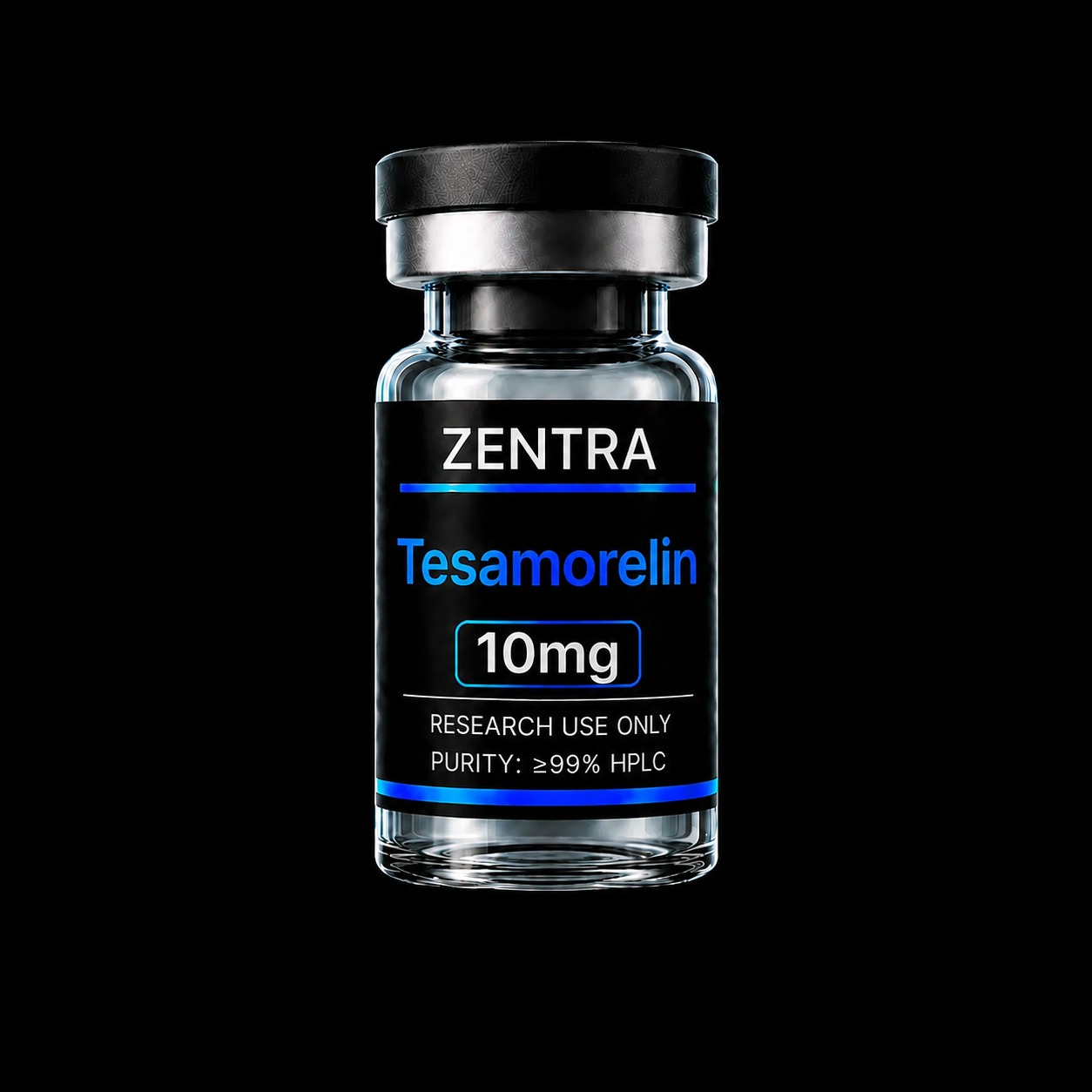
When you are contacting a tesamorelin research peptide supplier, this comprehensive view can make documentation easier to understand and maintain. Zentra Labs provides research compounds with stated analytical and batch documentation, giving researchers information they can retain alongside their laboratory records. The goal is simple: “Knowing what the number represents before relying on it.