Links are not yet activated.
To activate, add a link back to submitpr.org from your website and contact @jaycosta on Telegram,
or pay via Solana (from $19.95) for instant activation.
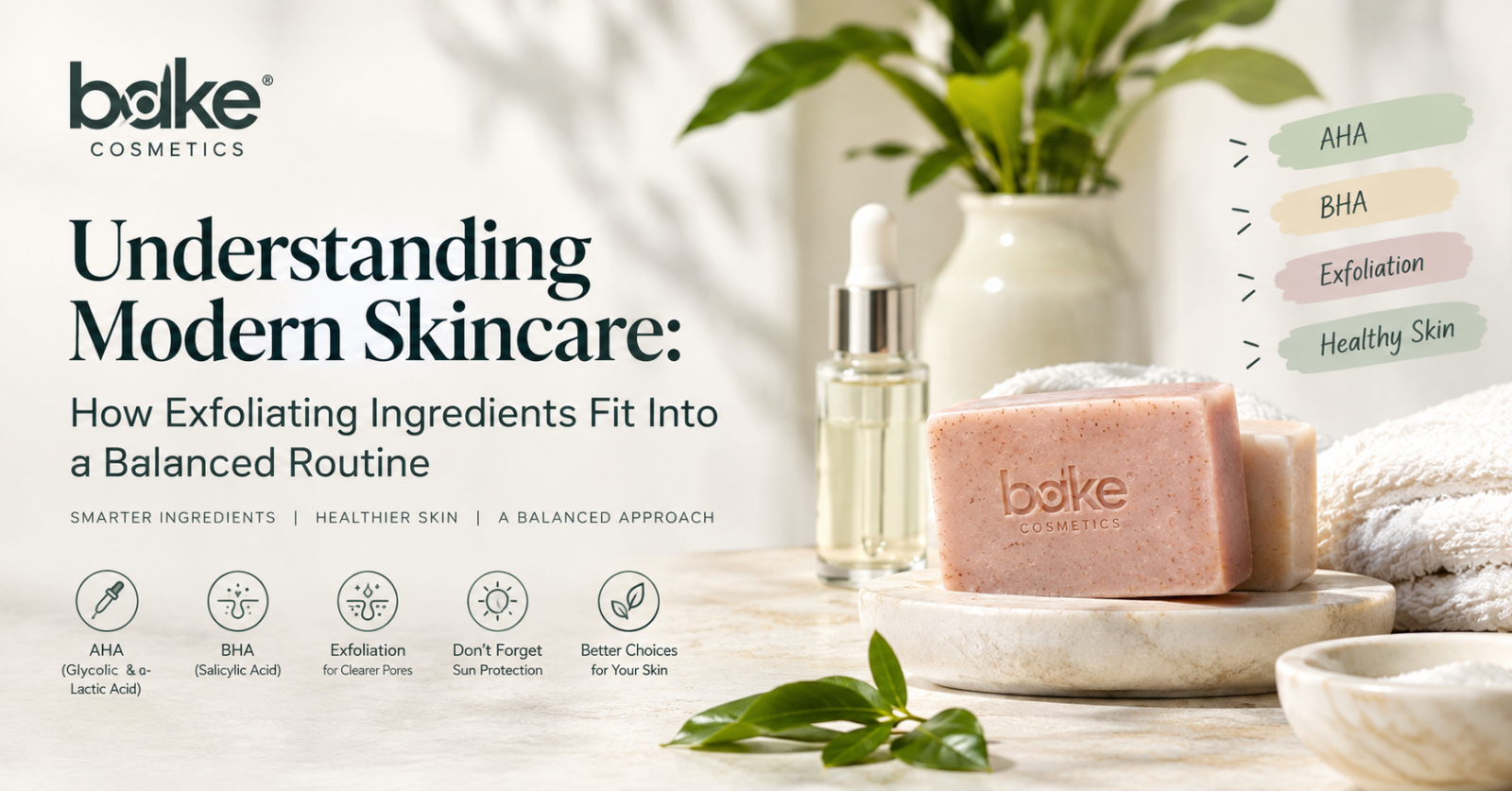
Skincare has increasingly moved toward ingredient-focused routines, with consumers paying closer attention to what different formulations are designed to do. Among the most discussed ingredients are exfoliating acids such as alpha hydroxy acids (AHAs) and salicylic acid, a commonly used beta hydroxy acid (BHA) in cosmetic products.Rather than treating exfoliation as a one-size-fits-all step, a balanced skincare routine starts with understanding the role of individual ingredients, choosing products according to personal skin concerns, and following the directions provided by the manufacturer.
What Are Exfoliating Acids?
Exfoliating acids are cosmetic ingredients commonly used in skincare formulations to help improve the appearance and feel of the skin.
AHAs include ingredients such as glycolic acid and lactic acid. They are widely used in cosmetic products intended to improve the appearance of skin texture and tone. Salicylic acid, meanwhile, is the BHA most commonly used in cosmetics and is often included in formulations designed for exfoliation and pore cleansing.
The important point is that different acids have different properties. Choosing an exfoliating product should therefore depend on the formulation, concentration, intended area of use and individual skin needs rather than simply choosing the strongest-sounding ingredient.
Understanding AHA and BHA in Skincare
AHAs and BHAs are both associated with exfoliating skincare, but they are not interchangeable.
Glycolic and lactic acids are examples of AHAs commonly found in cosmetic products. They are often used in formulations focused on the appearance of uneven texture and tone. Salicylic acid is commonly used in products intended to exfoliate and cleanse pores.
This distinction is useful when building a routine. Someone interested in surface exfoliation may look for an AHA-based formulation, while a product containing salicylic acid may be more relevant when pore cleansing is an important skincare objective.
Combination formulations can also bring different exfoliating ingredients together. However, using multiple exfoliating products at the same time is not automatically better. A simple routine with appropriate product use can be more practical than layering several strong exfoliating products.
Where AHA-BHA Products Can Fit Into a Routine
An AHA-BHA product can be considered when a person wants exfoliating ingredients within a single skincare step. The exact experience will depend on the formulation, concentration, pH, contact time and other ingredients in the product.
For consumers exploring this category, Bake Cosmetics' AHA BHA Soap is one example of a cleansing-format product built around exfoliating ingredients.
You can learn more about the product here:
Bake Cosmetics AHA BHA Soap
The product should be used according to its own label directions rather than assuming that all AHA-BHA products should be used in the same way.
Why Ingredient Awareness Matters
Ingredient awareness is useful because skincare products can differ considerably even when they use similar headline ingredients.
For example, two products may both contain an exfoliating acid but differ in concentration, supporting ingredients, formulation and intended use. These factors can influence how a product feels on the skin and how frequently it should be used.
This is particularly important for exfoliating products. More frequent application is not necessarily better, and combining several exfoliating products can increase the likelihood of irritation for some people.
Consumers should therefore read the ingredient list and directions, introduce new products thoughtfully and avoid assuming that a product's ingredient list alone determines whether it is suitable for them.
Exfoliation and Sun Protection
Sun protection is an important consideration when using exfoliating skincare.
The U.S. Food and Drug Administration notes that topical AHA use can increase skin sensitivity to ultraviolet radiation and recommends appropriate sun protection. FDA also advises consumers using BHA-containing cosmetics to follow product directions and use sun protection where appropriate.
For that reason, a skincare routine containing exfoliating ingredients should not be viewed separately from everyday sun-protection habits. Sunscreen, protective clothing and limiting unnecessary sun exposure can all be part of a sensible skincare approach.
How to Build a Balanced Exfoliating Routine
A balanced routine does not need to contain numerous active ingredients.
A practical approach can include:
1. Start with a suitable cleanser
Choose a cleanser according to your skin type and the needs of your routine.
2. Introduce exfoliating products carefully
Follow the specific directions provided on the product rather than creating your own frequency.
3. Avoid unnecessary ingredient stacking
Using several exfoliating products together may be more irritating than helpful.
4. Pay attention to your skin
If persistent burning, significant irritation or discomfort occurs, stop using the product and seek appropriate professional advice. FDA similarly advises stopping BHA use if irritation or prolonged stinging occurs.
5. Keep sun protection in the routine
This is particularly relevant when using products containing AHAs because of their potential effect on sun sensitivity.
Choosing Skincare Based on Your Actual Concern
The best way to approach ingredient-led skincare is to begin with the concern rather than the trend.
Someone concerned about rough-looking texture may explore an AHA-containing formulation. Someone looking for pore-focused cleansing may consider a product containing salicylic acid. Someone interested in combining exfoliating ingredients may consider a formulation specifically designed around both AHA and BHA ingredients.
This approach also helps prevent unnecessary product accumulation. Instead of purchasing several products because they contain popular ingredients, consumers can focus on formulations that have a clear purpose within their routine.
The Role of Brands in Ingredient-Focused Skincare
As ingredient awareness grows, skincare brands have an opportunity to communicate more clearly about formulations, intended use and responsible product use.
For brands such as Bake Cosmetics, ingredient-led product development provides a way to address specific skincare interests while giving consumers clearer information about what a formulation is designed to do.
However, good skincare communication should distinguish between cosmetic appearance-related benefits and medical treatment claims. Consumers should also remember that individual results can vary depending on skin characteristics, routine and product use.
Final Thoughts
Exfoliating ingredients can play a useful role in modern skincare, but effective routines are not necessarily the most complicated ones. Understanding the difference between AHAs and BHAs, reading product directions and introducing active ingredients thoughtfully can help consumers make more informed choices.
Whether someone is exploring glycolic acid, lactic acid, salicylic acid or an AHA-BHA combination, the focus should remain on appropriate formulation, responsible use and consistency.
For those interested in exploring an exfoliating cleansing product, Bake Cosmetics' AHA BHA Soap provides one option within this category. Consumers can review the product information and usage directions before deciding whether it fits their personal skincare routine.