Links are not yet activated.
Is this your press release? Add a link to submitpr.org on your website and verify it — activation is instant and free.
Or upgrade with KIN for permanent activation (from $19.95).
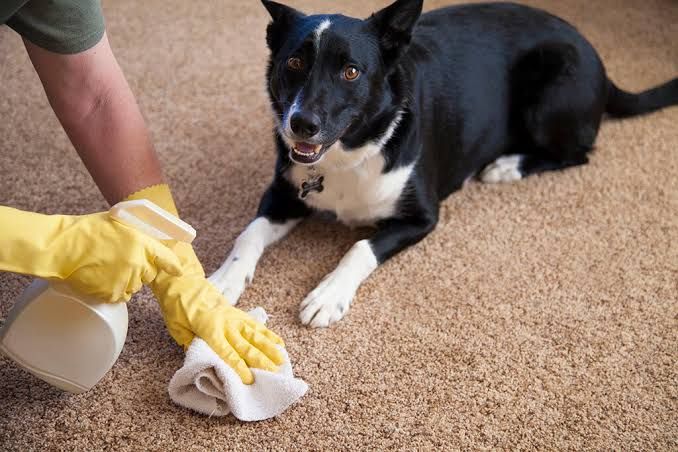
Finding the best pet stain carpet cleaner is important for maintaining clean, fresh, and comfortable indoor spaces. Pets bring companionship and happiness into a home, but accidents can leave behind visible stains, unpleasant odors, and residue trapped deep within carpet fibers. Urine, vomit, muddy paw prints, and other organic messes can become difficult to remove when they are not treated properly. Choosing an appropriate cleaning method helps improve carpet appearance, manage lingering odors, and maintain a healthier-looking living environment.Professional carpet cleaning services can provide effective solutions for homeowners, landlords, property managers, and businesses dealing with persistent pet-related stains. With suitable cleaning products, appropriate extraction equipment, and careful treatment techniques, many carpets can be restored to a cleaner and more presentable condition.
Why Pet Stains Require Specialized Carpet Cleaning
Pet stains can affect more than the visible surface of a carpet. Liquids may penetrate carpet fibers, backing, and sometimes the underlying padding. If contamination remains untreated, unpleasant odors can return, particularly when moisture reaches the affected area.
Effective pet stain treatment focuses on addressing both the stain and its source rather than simply covering up the smell.
Urine stain treatment: Targets discoloration and residue left behind by pet accidents.
Odor control: Helps reduce persistent smells caused by organic contamination.
Vomit and food stain removal: Addresses visible residue and affected carpet fibers.
Mud and paw-print cleaning: Removes tracked-in dirt that can make carpets appear dull.
Spot treatment: Focuses on localized stains without unnecessarily treating the entire carpet.
Deep carpet extraction: Helps remove loosened soil, cleaning solution, and residue from suitable carpet materials.
The correct approach depends on the stain's age, the carpet material, the amount of contamination, and whether the affected area has been treated previously.
How to Choose the Best Pet Stain Carpet Cleaner
Selecting a suitable carpet cleaner requires considering the cleaning method, product compatibility, and severity of the problem. Some fresh surface stains can be managed with prompt household treatment, while older or recurring stains may require professional attention.
Consider these factors when choosing a cleaning solution or service:
Carpet compatibility: Make sure the cleaning product and process are appropriate for the carpet's fibers and backing.
Enzyme-based solutions: Certain enzyme cleaners help break down organic residues associated with pet accidents when used according to their instructions.
Odor treatment: Choose a method designed to address the underlying odor source instead of masking unpleasant smells.
Residue management: Proper rinsing or extraction helps prevent excessive cleaning-product buildup.
Professional equipment: Suitable extraction equipment can remove loosened contamination and excess moisture from carpets.
Stain assessment: Older stains may require repeated treatment, and some discoloration may be permanent.
Safe application: Follow product labels, avoid mixing cleaning chemicals, and keep pets away from treated areas until the product instructions permit re-entry.
Testing a product on an inconspicuous area first can help identify possible color changes or material damage.
Benefits of Professional Pet Stain Carpet Cleaning
Professional carpet cleaning can be particularly helpful when pet accidents affect multiple areas or odors continue returning after routine cleaning. Trained technicians can assess the affected carpet, identify suitable treatment options, and select methods based on the material and contamination level.
Important benefits may include:
Improved carpet appearance through targeted stain treatment.
Better management of persistent pet odors.
Removal of embedded dirt and residues using suitable extraction methods.
Reduced buildup from improperly applied household cleaning products.
Treatment recommendations based on carpet condition and stain severity.
More consistent cleaning results across larger residential or commercial spaces.
Guidance on preventing future stains through prompt cleanup and regular maintenance.
Results depend on the carpet's condition, the depth of contamination, and whether the stain has permanently affected the fibers or dyes.
Maintaining Fresh Carpets After Pet Accidents
Regular maintenance helps reduce the impact of future pet accidents and keeps carpets looking presentable for longer. Prompt attention is especially important because fresh contamination is generally easier to manage than stains that have dried or penetrated deeper layers.
Blot fresh liquid with a clean absorbent cloth rather than rubbing it into the fibers.
Remove solid material carefully before applying a compatible cleaning solution.
Follow the cleaner's label directions and recommended contact time.
Avoid excessive water that could drive contamination deeper into the carpet.
Allow the treated area to dry thoroughly with suitable ventilation.
Schedule periodic professional cleaning when needed.
Address recurring accidents promptly to reduce the chance of persistent odors.
For valuable rugs, delicate fibers, or extensive urine contamination, seek an assessment before attempting aggressive treatment.
Conclusion
Pet stains do not always require carpet replacement. With appropriate cleaning methods, careful product selection, and timely professional treatment, many affected carpets can regain a cleaner appearance and more comfortable feel. Consistent maintenance also helps prevent residue buildup and recurring odors. Choose a cleaning solution based on the carpet material and stain severity to achieve the most suitable results.