Links are not yet activated.
To activate, add a link back to submitpr.org from your website and contact @jaycosta on Telegram,
or pay via Solana (from $19.95) for instant activation.
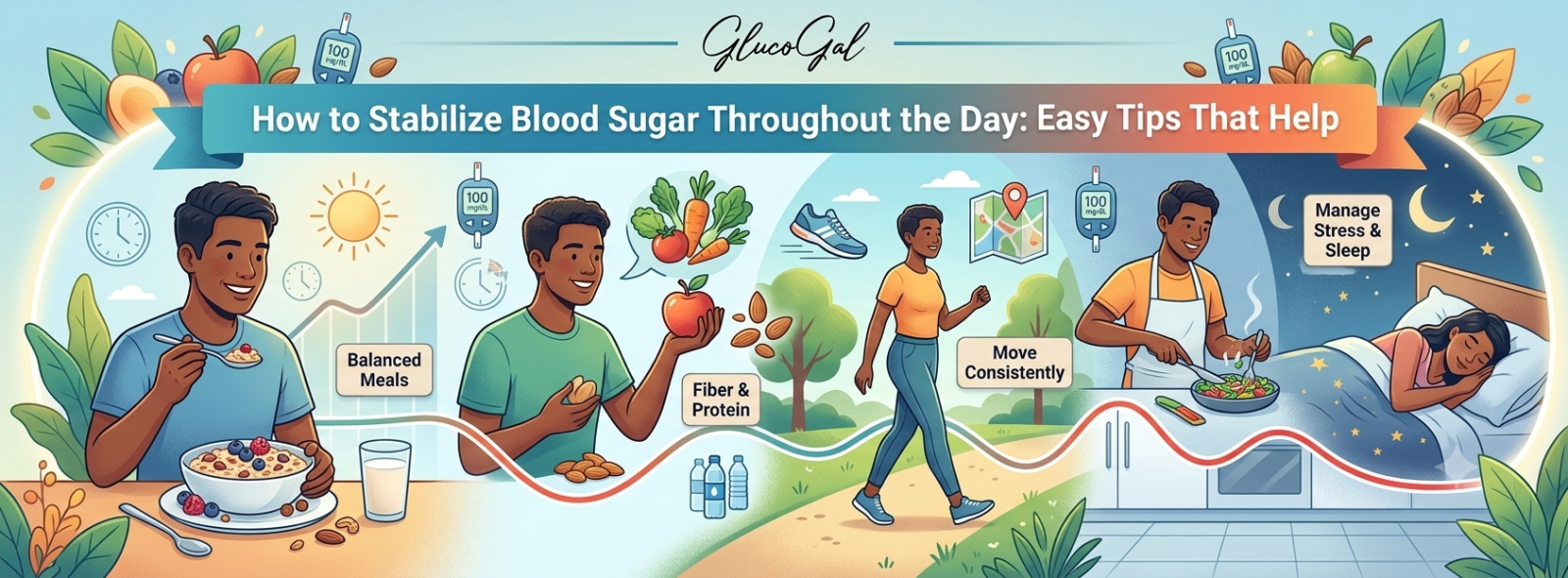
How to Stabilize Blood Sugar Throughout the Day: Easy Tips That HelpDo you crash at 3 p.m., crave sugar after lunch, or feel foggy and irritable between meals? Those are common signs of blood sugar swings. The good news is that small, consistent habits can make a real difference.
This Q&A guide covers how to stabilize blood sugar throughout the day: easy tips that help, based on well-established nutrition and metabolic health principles.
Medical note: This article is for general education and isn't a substitute for professional medical advice. If you have diabetes, prediabetes, or take glucose-lowering medication, talk to your doctor before changing your diet or routine.
What Does "Stable Blood Sugar" Actually Mean?
Blood sugar (glucose) is your body's main fuel. After you eat, glucose enters your bloodstream, and the hormone insulin helps move it into your cells.
For people without diabetes, fasting blood glucose is typically below 100 mg/dL (5.6 mmol/L). Levels usually stay under about 140 mg/dL (7.8 mmol/L) two hours after eating. Organizations such as the American Diabetes Association and the World Health Organization publish the official diagnostic ranges.
"Stable" doesn't mean a flat line. It means avoiding frequent, sharp glucose spikes followed by steep drops.
Why Does Blood Sugar Spike and Crash?
What causes a glucose spike?
Refined carbohydrates such as white bread, sugary drinks, pastries, and sweetened cereal digest quickly. Glucose floods the bloodstream, insulin surges to respond, and you may then feel tired or hungry again soon after.
Besides food, what else affects blood sugar?
Poor sleep: Even short-term sleep loss can reduce insulin sensitivity.
Stress: Cortisol and adrenaline signal the body to release stored glucose.
Inactivity: Muscles are a major glucose "sink," and sitting all day reduces their uptake.
Skipped meals: Long gaps followed by large meals can lead to bigger swings.
How to Stabilize Blood Sugar Throughout the Day: Easy Tips That Help
1. Should I eat breakfast?
A protein-rich breakfast is a smart way to start blood sugar control. Protein and fat slow digestion, which softens the post-meal rise.
Try:
Eggs with sautéed vegetables
Plain Greek yogurt with nuts and berries
Oats topped with chia seeds and nut butter
Swap a sugary cereal or pastry for one of these and compare how you feel by mid-morning.
2. What's the best way to build a balanced plate?
Aim for these three components at every meal:
Fiber-rich carbohydrates: beans, lentils, whole grains, vegetables, fruit
Protein: fish, poultry, tofu, eggs, paneer, legumes
Healthy fats: olive oil, avocado, nuts, seeds
This combination slows glucose absorption and keeps you full longer. Choosing low glycemic foods such as lentils, chickpeas, oats, and non-starchy vegetables over refined options is one of the most reliable strategies.
3. Does the order I eat my food matter?
Surprisingly, yes. Small studies have found that eating vegetables and protein before starchy carbohydrates can reduce the post-meal glucose rise. It's a free tweak: start with the salad or dal, finish with the rice or bread.
4. Is walking after meals really helpful?
Yes. Research reviews suggest that even a 10–15 minute walk after eating can meaningfully lower post-meal glucose, because working muscles absorb glucose without needing as much insulin. No gym required. A stroll around the block or a few laps at home works.
5. How much fiber do I need?
Many health authorities recommend roughly 25–38 g of fiber daily, though most people fall short. Soluble fiber, found in oats, beans, apples, and flax, forms a gel in the gut that slows sugar absorption. Add fiber gradually and drink enough water to avoid digestive discomfort.
6. Can drinks make a difference?
Absolutely. Liquid sugar is absorbed fast. Swap sodas, sweetened teas, and juices for water, sparkling water, or unsweetened tea. Some small studies suggest that a tablespoon of vinegar diluted in water before a high-carb meal may modestly reduce spikes, but the evidence is limited, and it isn't suitable for everyone, particularly people with reflux or certain medications.
What Lifestyle Habits Support Balanced Blood Sugar Levels?
Does sleep affect blood sugar?
Yes. Consistently sleeping fewer than 6 hours is linked with poorer insulin function and stronger cravings. Aim for 7–9 hours and keep a regular schedule.
How does stress management help?
Chronic stress keeps cortisol elevated, which can push glucose higher. Techniques with research support include slow breathing, brisk walking, meditation, and time outdoors. Even five minutes of deep breathing can help you reset.
What about strength training?
Building muscle improves insulin sensitivity, because more muscle means more storage space for glucose. Two or three resistance sessions a week, using weights, bands, or bodyweight, is a solid target alongside regular walking.
What Does a Blood-Sugar-Friendly Day Look Like?
Here's a simple sample day. Adjust it for your culture, preferences, and any dietary needs:
Morning: Veggie omelet with whole-grain toast, plus a glass of water
Midday: Grilled chicken or chickpea bowl with quinoa, leafy greens, and olive oil, followed by a 10-minute walk
Afternoon snack: Apple slices with almond butter, or a handful of nuts
Evening: Baked fish or tofu with roasted vegetables and a small portion of brown rice
Before bed: Wind down early. Avoid heavy, sugary late-night snacks.
Common Mistakes to Avoid
Eating carbs "naked," on their own, without protein, fat, or fiber
Relying on "healthy" packaged snacks that are high in added sugar
Skipping meals, then overeating later
Ignoring hydration
Expecting overnight results. Consistency matters more than perfection.
When Should I See a Doctor?
Talk to a healthcare professional if you experience:
Excessive thirst or frequent urination
Unexplained weight loss
Blurred vision
Persistent fatigue
Shakiness, sweating, or confusion between meals
A family history of type 2 diabetes
A simple fasting glucose or HbA1c test can clarify where you stand. Continuous glucose monitors are available too, but they're best interpreted with professional guidance.
Frequently Asked Questions
What's the fastest way to lower blood sugar naturally?
Light movement, such as walking, is one of the quickest safe options, along with drinking water. If you have diabetes, follow your doctor's treatment plan.
Can I still eat fruit?
Yes. Whole fruit contains fiber, which slows sugar absorption. Pair it with nuts or yogurt for extra stability.
Do I need to give up carbs?
No. Quality, portion size, and pairing matter more than elimination.
Final Thoughts
Learning how to stabilize blood sugar throughout the day doesn't require extreme diets or expensive gadgets. Start with three changes this week:
Add protein and fiber to every meal.
Walk for 10 minutes after your largest meal.
Protect your sleep.
Track how your energy, mood, and cravings change over two weeks. Small habits, repeated daily, are what keep your blood sugar steady for the long run.