Links are not yet activated.
To activate, add a link back to submitpr.org from your website and contact @jaycosta on Telegram,
or pay via Solana (from $19.95) for instant activation.
Experts say that anatomical knowledge and hands-on training remain central pillars of education in one of medicine's most complex fields: neurosurgery. Despite technological advances, a tool created centuries ago still holds a central place in the training and continuing education of specialists: the study of human anatomy.Debate over the quality of medical education has intensified in Brazil in recent years. In the results of the Enamed - National Exam for the Assessment of Medical Education, released in early 2026, 13,000 of the roughly 39,000 students evaluated were found to have performed at an unsatisfactory level. Of the 351 medical programs assessed, 107 fell into categories considered inadequate. These numbers have fueled a national conversation about assessment, program quality, and preparedness for professional practice.
In neurosurgery, a specialty that deals with delicate and highly complex brain structures, hands-on training in anatomy labs continues to be seen as a fundamental step in developing and refining technical skills.
Ongoing professional development is also closely tied to the international conversation around patient safety. According to the World Health Organization (WHO), roughly one in ten people suffers some kind of harm while receiving healthcare worldwide, and more than half of that harm is considered preventable. The WHO holds that reducing preventable incidents depends on factors such as safer systems, professional qualification, and continuous improvement in the quality of care.
In highly complex fields, this principle takes on even greater weight. Training allows techniques, anatomical approaches, and strategies to be studied and discussed in an educational setting before they become part of a specialist's clinical routine, regardless of how experienced that professional already is.
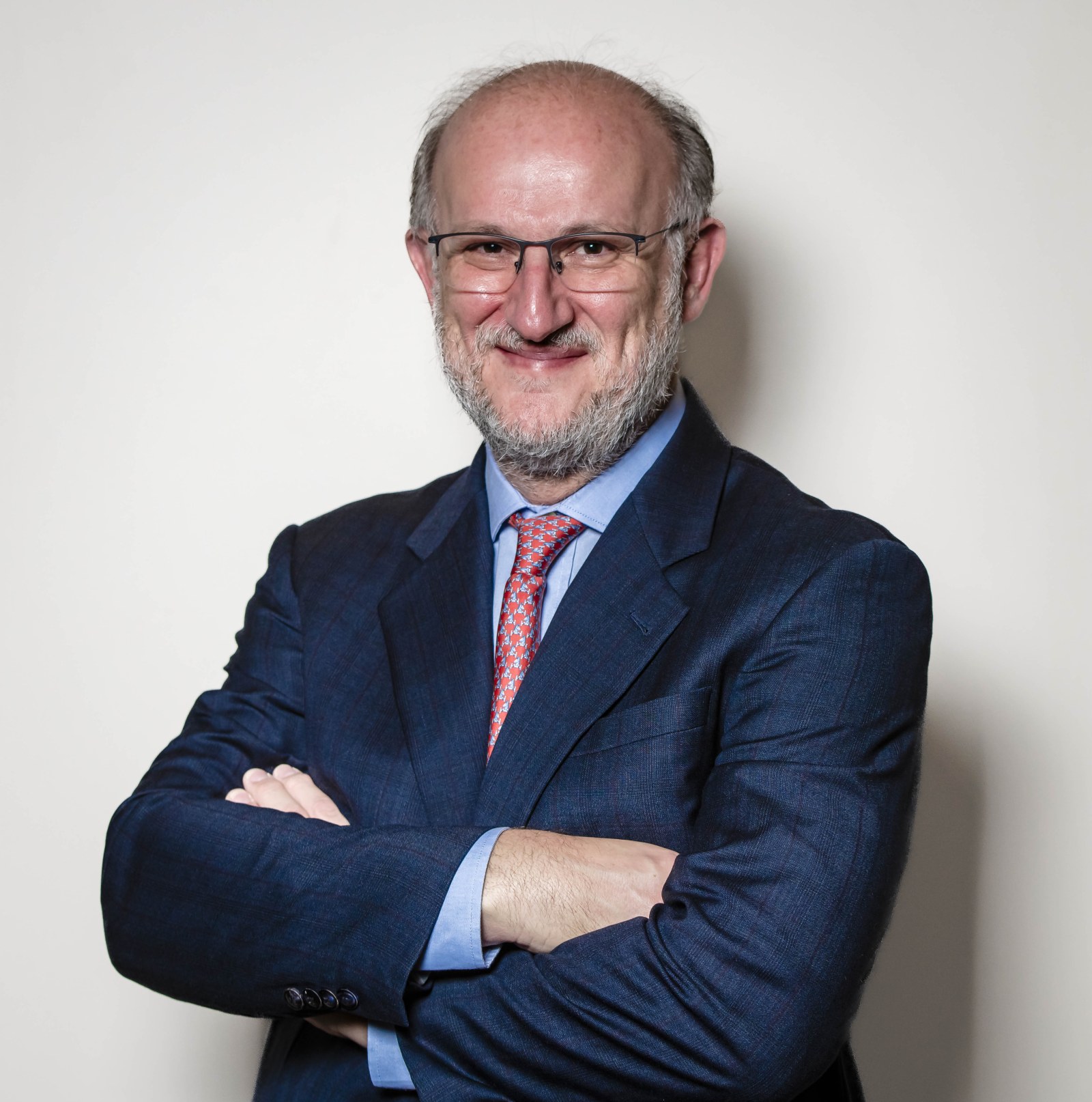
According to neurosurgeon Prof. Dr. Feres Chaddad, founder of Neuro University and creator of the Neuro University Summit 2026 – an event that will bring together neurosurgeons, neurologists, pediatric neurologists, neuroscientists, and other health professionals to discuss advances in neurosurgery, neuroscience, and brain health – technological progress has expanded teaching possibilities but hasn't replaced the need for hands-on training.
"Technology offers extraordinary resources for planning and simulation, but the brain remains an extremely complex three-dimensional structure. A deep knowledge of anatomy remains essential for surgical decision-making," he says.
Contrary to what many assume, anatomical training isn't reserved for medical students. Experienced specialists also take part in these activities regularly to review techniques, sharpen their skills, and practice new surgical approaches before applying them in clinical practice. That's the case for Mexican neurosurgeon Damián Oland, who traveled to Brazil in 2025 to attend the Neuro University Summit. "The teaching here is truly excellent, and I recommend it. Taking a class with Professor Feres, someone who loves to teach, will change your life if you're a neurosurgeon," he says.
One of the main ways this learning is put into practice is the cadaver lab, a training environment where neurosurgeons can study human anatomy in detail, simulate procedures including highly complex ones and refine techniques and skills under conditions very close to those found in the operating room.
Another example is awake surgery, an approach used in specific procedures where the patient remains awake for part of the operation so that functions like speech, language, and movement can be monitored in real time. Because it demands rigorous planning and coordination across different specialties, the technique also requires specific training and ongoing professional development.
Both of these approaches will be featured at the Pre-Summit of the Neuro University Summit 2026, taking place from October 13th to 15th. The program includes the “Supratentorial Access” Course in the Cadaver Lab and the “Awake Surgery” Course, both focused on technical refinement and on discussing strategies used in highly complex neurosurgical procedures.
For Chaddad, it's precisely this combination of science, anatomy, and ongoing training that allows specialists to keep growing throughout their careers. "Technology has expanded the possibilities for teaching, but no tool replaces a deep understanding of anatomy or the experience gained through hands-on training. These are the moments that help specialists refine their technique and make increasingly precise decisions for the benefit of the patient," he concludes.
Event
Neuro University Summit 2026
Pre-Summit
October 13 to 15, 2026
Summit
October 16 and 17, 2026
Location
Conecta Expo Center
Rua Amborés, 180
Cidade Vargas
São Paulo – SP, Brazil
More information
https://summit.neurouniversity.com.br