Links are not yet activated.
Is this your press release? Add a link to submitpr.org on your website and verify it — activation is instant and free.
Or upgrade once for permanent activation (from $19.95, pay with crypto).
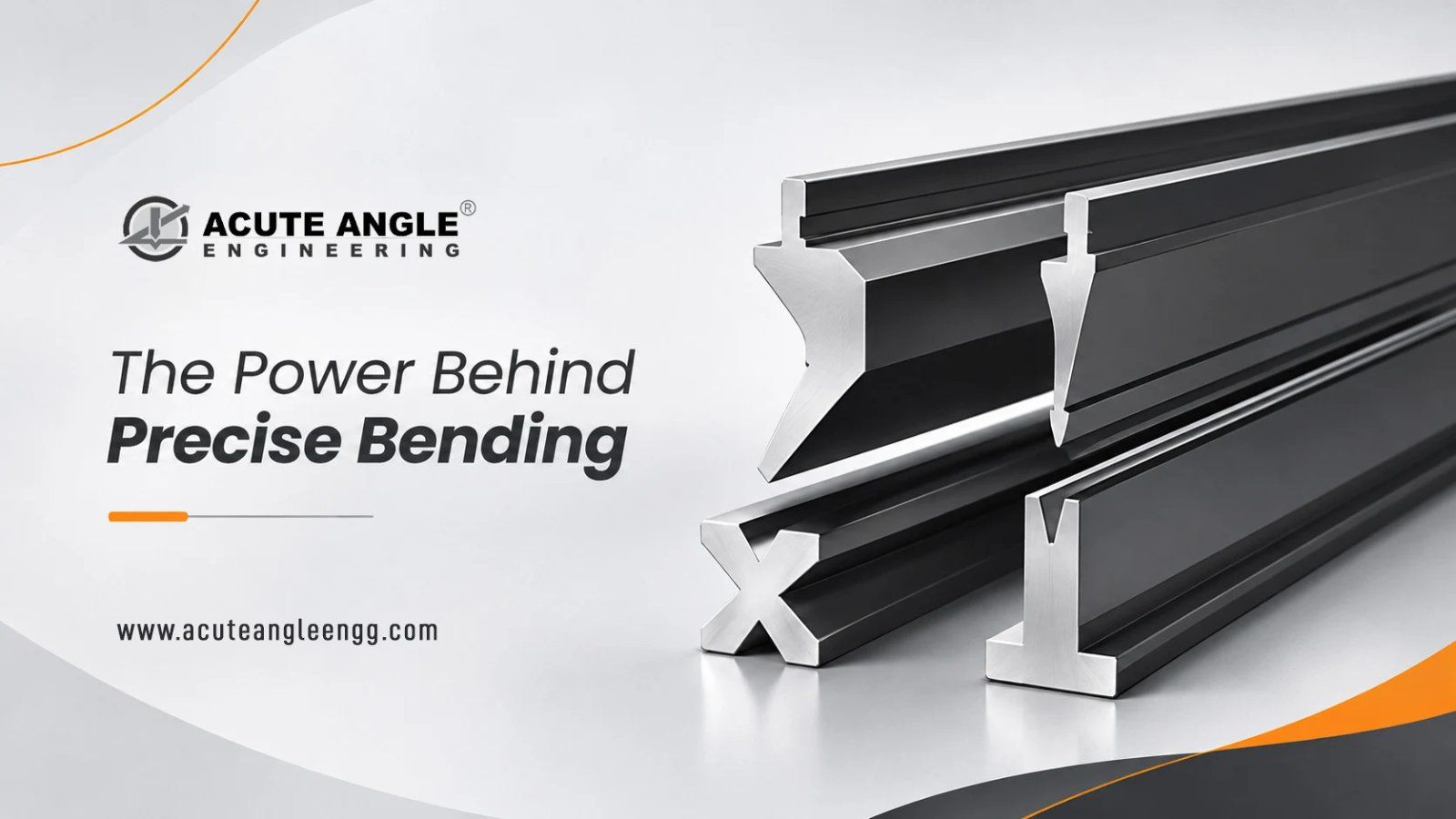
A CNC press brake can follow programmed instructions, but the final bend still depends on the physical tooling used during the operation. Punch geometry, die configuration and clamping compatibility all influence whether a setup can accommodate the intended component design.European Precision Style Tooling offers different configurations for sheet metal fabrication, making it important to understand its design, compatibility and application in modern CNC bending operations. For manufacturers handling varied component profiles, selecting the appropriate tooling system is an important part of production planning.
Understanding European Precision Tooling
One of its practical characteristics is the availability of different tooling lengths and sectional configurations. Operators can combine individual segments to create setups suited to specific component dimensions, particularly when working with varied production requirements.
Tool construction also influences its suitability for repeated industrial use. Alloy tool steel, appropriate hardening processes and precision grinding contribute to the strength, dimensional accuracy and surface quality required during bending operations.
However, tooling performance cannot be judged by construction alone. The relationship between the punch profile, die opening and machine arrangement determines whether a particular configuration is appropriate for the intended application.
Compatibility Across Press Brake Systems
Press brake manufacturers use different tooling interfaces and clamping arrangements. Systems such as Trumpf, Wila, LVD and Bystronic have specific compatibility requirements that buyers must verify before selecting replacement or additional tooling.
For example, Trumpf Press Brake Tooling and Wila Press Brake Tooling are designed around their respective system configurations. Similarly, LVD Press Brake Tooling and Bystronic Press Brake Tooling require attention to the machine's specified tooling arrangement.
This becomes particularly relevant for fabrication units operating multiple press brakes. A tool
that appears similar in dimensions may not necessarily fit another machine's clamping interface.
Checking the mounting arrangement, dimensions and manufacturer specifications before procurement can help prevent incorrect purchases and installation difficulties.
Businesses investing in CNC Press Brake Tools should therefore evaluate tooling compatibility alongside their production requirements rather than relying on brand names or visual similarities.
Precision in CNC Bending Operations
The accuracy of a bent component depends on several interacting factors. Punch geometry, die opening, material thickness, bend radius and machine settings collectively influence the resulting shape.
Consider a sheet metal component with a deep channel or return flange. A conventional straight punch may not provide sufficient clearance for the operation. A suitable gooseneck punch can accommodate the component geometry and reduce the possibility of interference during bending.
Die selection requires equal attention. A conventional V-die may suit a particular bending requirement, whereas a Multi V Press Brake Die provides multiple V-openings within a single die body. This arrangement can be useful when production involves different material thicknesses, provided the selected opening is appropriate for the application.
Die opening also influences the relationship between material thickness, inside bend radius and required bending force. Choosing an unsuitable opening can affect the resulting geometry and the demands placed on the machine.
For this reason, selecting Sheet Metal Bending Tools requires consideration of the complete bending application. The tooling combination should accommodate the material, component design and required dimensions within the machine's operating capacity.
Tool Selection Matters
Different fabrication applications create different tooling requirements. A manufacturer producing electrical enclosures may need narrow punches and specific die openings, while structural component production may involve different profiles and material specifications.
Before investing in Industrial Press Brake Tools, buyers should evaluate a few practical considerations:
• Machine compatibility: Confirm that the tooling matches the press brake's clamping arrangement and technical specifications.
• Tool material and finish: Evaluate the steel grade, hardening process and manufacturing quality.
• Application requirements: Consider material thickness, bend angle, component geometry and production volume.
• Available configurations: Check whether the supplier offers suitable punches, dies, sectional tooling and accessories.
• Maintenance support: Consider repair, regrinding and modification services to manage existing tooling requirements.
This is where Acute Angle Engineering, a Press Brake Tools Manufacturer, offers solutions for industrial sheet metal bending applications. Its product range covers European Precision Style,
Trumpf, Wila, LVD and Bystronic tooling systems, with different punch and die configurations for varied manufacturing requirements.
The company also provides repair, regrinding and tooling modification services, giving manufacturers options for maintaining their existing tools instead of automatically opting for replacement.
In sheet metal manufacturing, tooling decisions influence more than the initial machine setup.
They determine how effectively different component designs can be accommodated and how consistently production requirements can be met. A well-matched tooling system gives manufacturers a practical foundation for handling changing fabrication demands.
Explore the Press Brake Tooling Range at Acute Angle Engineering.